Understanding Arapahoe County Septic Regulations: Is Your System Compliant?
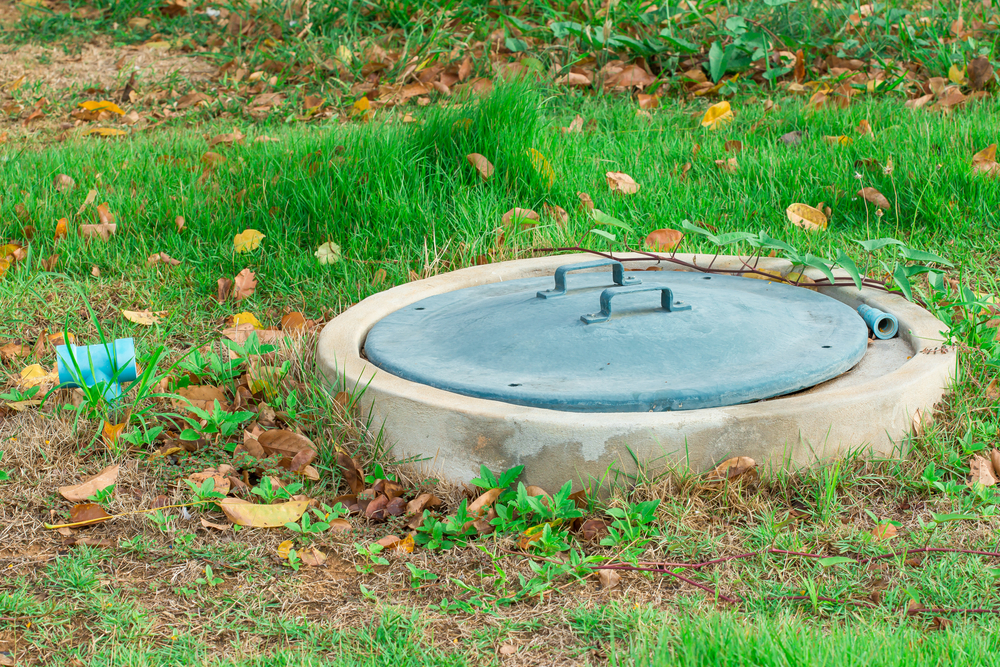
Understanding the rules and responsibilities surrounding your septic system is not just a good idea; it is a legal requirement. Whether you are located in a rural stretch of unincorporated Arapahoe County or a small community like Foxfield, CO, staying informed about septic permit requirements and septic system compliance protects your property, your neighbors, and the surrounding environment.
This guide breaks down what every property owner needs to know.
Why Septic Regulations Matter in Arapahoe County
Septic systems are the backbone of wastewater management for properties that are not connected to a municipal sewer system. In Arapahoe County, a significant portion of residential and commercial properties depend on these underground systems to process and dispose of household waste safely. When a system fails or operates outside of compliance, the consequences can be serious. Untreated wastewater can seep into groundwater supplies, contaminate nearby streams, and create public health hazards that affect entire neighborhoods.
Colorado has seen increased attention on water quality over the past decade, and local counties like Arapahoe have responded by tightening oversight of onsite wastewater treatment systems (OWTS). The Colorado Department of Public Health and Environment (CDPHE) sets the statewide framework through Regulation 43, which governs the design, installation, and operation of septic systems across the state. Arapahoe County then enforces and builds upon these standards at the local level through its own environmental health division.
For homeowners in communities like Foxfield, CO, this means that septic system compliance is not a one-time checkbox. It is an ongoing responsibility that includes proper maintenance, timely inspections, and adherence to installation standards whenever a system is repaired or replaced.
Septic Permit Requirements: What You Need Before You Build or Repair
One of the most common mistakes property owners make is assuming they can install, modify, or repair a septic system without first obtaining the proper permits. In Arapahoe County, septic permit requirements are clearly defined, and skipping this step can result in fines, mandatory system removal, or complications when you try to sell your property.
Any new septic system installation requires a site evaluation, a soil percolation test, and an approved design plan before a permit is issued. The site evaluation determines whether the soil and topography of your property can support a functional septic system. Perc tests measure how quickly water drains through the soil, which directly influences what type of system is appropriate for your lot.
Once the design is approved by Arapahoe County Environmental Health, the permit is issued and construction can begin. All work must be completed by a licensed OWTS contractor in Colorado. After installation, a county inspector must visit the site before the system is covered with soil. This final inspection confirms that the system was built according to the approved plans and meets all applicable codes.
Repairs and alterations to existing systems also require permits in most cases. If your system has a failed component, such as a damaged distribution box or a compromised leach field, you cannot simply swap out the parts without notifying the county. Even partial repairs that change the function or layout of the system are subject to review and approval.
Property owners in Foxfield, CO and surrounding unincorporated areas should contact the Arapahoe County Environmental Health Department directly to confirm which specific permits apply to their situation before starting any project.
Understanding Septic Inspections in Arapahoe County
Septic inspections are one of the most effective tools for maintaining system compliance and catching problems before they become costly emergencies. In Arapahoe County, inspections are typically required at key moments: during new system installation, when a permit is pulled for repairs, and at the time of a property sale or transfer.
Real estate transactions are a particularly important trigger for septic inspections in Colorado. Many lenders and buyers require an inspection as a condition of closing, and in some jurisdictions, it is mandated by local regulation. A thorough inspection evaluates the condition of the tank, the inlet and outlet baffles, the distribution system, and the absorption field. If the system is found to be failing or non-compliant, the seller is typically responsible for bringing it into compliance before the transaction is completed.
Routine septic inspections, even when not legally required, are strongly recommended every one to three years for most systems. A licensed inspector or pumping professional can identify early signs of trouble, including sludge buildup, root intrusion, or signs of hydraulic overload. These issues are far less expensive to address early than after a full system failure.
For homeowners who have not had their system inspected in several years, scheduling a professional evaluation is a smart first step toward confirming septic system compliance. Arapahoe County Environmental Health can provide guidance on licensed inspectors and what to expect from the process.
Common Compliance Issues and How to Avoid Them
Many septic system violations in Arapahoe County come down to a handful of recurring issues. Understanding these common pitfalls gives property owners in Foxfield, CO and throughout the county a clear path to staying on the right side of local regulations.
One frequent issue is the failure to pump and maintain tanks on a regular schedule. Most systems require pumping every three to five years, depending on household size and usage. Neglecting this basic maintenance task allows solids to accumulate and eventually overflow into the leach field, causing irreversible damage and environmental contamination.
Another common problem involves construction or landscaping activity near the septic system or drain field. Planting trees with aggressive root systems, parking vehicles over the drain field, or building structures on top of system components can all cause damage that leads to compliance violations. Arapahoe County regulations typically define setback requirements and restricted activity zones around septic components, and property owners need to be aware of these boundaries.
Improper additions to the household wastewater load can also create compliance problems. Adding a bathroom, a laundry room, or rental unit without reassessing the septic system capacity is a recipe for failure. Any significant change in a property’s water usage should prompt a review of whether the existing system can handle the increased demand.
Finally, using harsh chemical drain cleaners, disposing of non-biodegradable items through the toilet, or pouring grease down the drain can all disrupt the biological processes inside the tank that make the system function properly. Protecting the bacterial ecosystem inside your tank is just as important as the physical components.
Staying Proactive: Long-Term Compliance in Arapahoe County
The best approach to septic system compliance in Arapahoe County is a proactive one. Rather than waiting for a problem to surface or a regulation notice to arrive, property owners who stay ahead of maintenance and permit requirements avoid the stress, expense, and liability that come with violations.
Keeping detailed records of all inspections, pumpings, permits, and repairs is a practical habit that pays off over time. These records are valuable during property sales and can demonstrate a history of responsible ownership to county officials if questions arise.
Staying informed about any updates to Arapahoe County regulations or Colorado state standards is also important. Environmental health rules can change as new science and policy priorities emerge, and property owners are ultimately responsible for knowing the rules that apply to their systems.
Connecting with the Arapahoe County Environmental Health Department is always a reliable starting point. Staff can answer questions about septic permit requirements, direct homeowners to licensed contractors and inspectors, and clarify what is required for specific projects or property types.
Conclusion
Septic system compliance in Arapahoe County is a shared responsibility that protects property values, public health, and Colorado’s natural environment. From understanding septic permit requirements to scheduling regular septic inspections, property owners in Foxfield, CO and across the county have clear tools available to stay compliant. Taking action now, before a problem develops, is always the smarter and more affordable path forward.
Need Septic Tank Service Near You?
If you’re looking for dependable, expert septic services in Strasburg or the surrounding areas, don’t hesitate to reach out to us at High Plains Sanitation Service. We’ve been proudly serving our community since 1959 as a family-owned and -operated business, and we’re here to ensure your septic system runs smoothly with top-notch pumping, cleaning, inspections, and even electrical support. Our NAWT certification and CPOW membership mean you can trust in the quality of our work—and your satisfaction is always our top priority. Give us a call today and let us show you the High Plains difference!