How Heavy Rain and Snowmelt Affect Septic Systems in Eastern Colorado and What Homeowners Can Do
Septic systems are essential for many rural and suburban homes in Eastern Colorado. From Strasburg to other communities across the region, these systems quietly manage household wastewater beneath the surface. But the unpredictable weather patterns in this part of the state can present serious challenges. In particular, heavy rain and melting snow can both contribute to significant septic system drainage issues. Understanding the risks and responding with preventative action is key to avoiding costly damage and unpleasant disruptions.
The Link Between Weather and Septic System Performance
Eastern Colorado experiences a mix of dry conditions and seasonal precipitation, including snowstorms in winter and thunderstorms in spring and summer. While these weather patterns are normal, they can put a strain on underground systems that rely on dry, absorbent soil to filter and disperse wastewater.
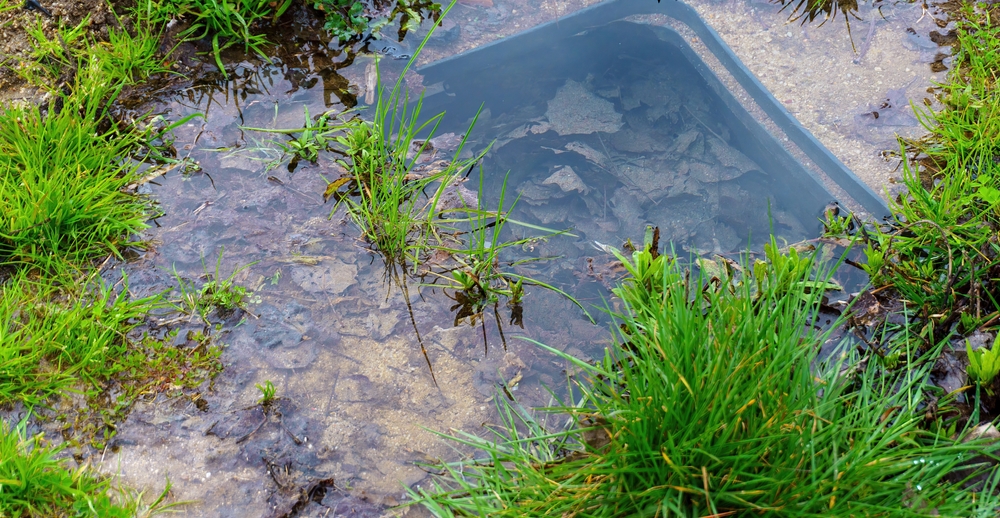
When heavy rains fall or snow rapidly melts, the ground can become saturated. This over-saturation prevents the soil from effectively absorbing effluent from the drain field. The result is a backup of wastewater, which can cause indoor plumbing problems and contamination around the drain field. Snowmelt septic problems are especially common in early spring, when frozen ground begins to thaw and water from melting snow floods the surface, compounding the saturation problem.
Because septic systems in Eastern Colorado rely on gravity and natural soil filtration, excess moisture in the soil impairs their performance. Homes with older or poorly maintained systems are particularly vulnerable, as any existing cracks, leaks, or clogged components can worsen under the pressure of excess water.
Recognizing Signs of Septic System Distress After Rain or Snow
After a major storm or thaw, homeowners should stay alert for any unusual signs around the house or yard. Pooling water near the drain field, slow-draining sinks and toilets, or sewage odors are all red flags. Sometimes, these symptoms can be mistaken for indoor plumbing issues, but they are often linked directly to outside conditions.
One telltale sign of septic system flooding is the appearance of unusually green or spongy grass over the drain field. While this might seem like a healthy lawn, it often signals that untreated wastewater is not dispersing correctly and is instead rising to the surface. Left unchecked, this can contaminate well water and create health hazards for people and pets.
In Strasburg, CO, septic service providers often report a surge in emergency calls during the spring thaw and after heavy summer rains. Homeowners who recognize the early signs of septic system flooding can often avoid more extensive damage by contacting a professional right away.
Why Snowmelt is Particularly Problematic in Eastern Colorado
Snowmelt septic problems are a distinct issue due to how they unfold. Unlike a short period of rainfall, snowmelt happens gradually and often follows a freeze. As temperatures rise, the snow begins to melt faster than the ground can absorb the resulting water. Compounding the issue is that the ground beneath the snow may still be frozen, preventing the water from draining vertically and forcing it to flow across the surface.
This surface water eventually finds its way into low-lying areas, including drain fields and septic tank covers. If snow has piled up near the system, melting water can seep directly into the septic tank or pipes through compromised seals or aging lids. In Strasburg and surrounding areas, older systems are often buried shallower than current codes recommend, increasing their exposure to runoff.
Eastern Colorado also has clay-heavy soil in many areas, which drains poorly compared to sandy or loamy soils. Once this type of soil becomes saturated, it takes much longer to dry out, prolonging septic system drainage issues and increasing the chance of backup or tank overflows.
Septic System Flooding Prevention: What Homeowners Can Do
Homeowners can take several proactive steps to reduce the risk of septic system flooding during wet weather. First, regular maintenance is essential. Having the tank pumped and inspected every three to five years keeps the system functioning efficiently and allows professionals to identify any weak points that might worsen under pressure from snowmelt or rain.
Managing the flow of water on your property is also critical. Gutters, downspouts, and landscaping should be designed to direct water away from the septic tank and drain field. Grading the soil so that it slopes away from the system helps prevent surface water from pooling in sensitive areas.
During winter, avoid piling snow directly on top of or near the tank and drain field. As it melts, that concentrated volume of water can overwhelm the system. Similarly, reducing water usage in the home during periods of heavy rain or thaw can prevent further strain. Shorter showers, delayed laundry loads, and spreading out dishwashing over several days can all make a measurable difference.
If signs of trouble appear, contact a local expert promptly. In Strasburg, CO, septic service companies are well-versed in the seasonal challenges specific to the region. An early inspection can prevent a minor drainage problem from turning into a major failure requiring expensive excavation and repair.
The Role of Seasonal Planning in Septic System Longevity
While weather is unpredictable, seasonal patterns in Eastern Colorado are fairly consistent. By planning around these patterns, homeowners can help extend the life of their septic systems. Fall is a good time for an annual checkup. Before winter arrives, a professional can ensure that the tank is emptied if needed and that the system is sealed against cold temperatures and water intrusion.
Spring is the time to monitor the yard closely, especially as snow begins to melt. Avoid compacting the soil over the drain field by keeping vehicles and heavy equipment away from the area, which helps maintain the ground’s ability to absorb moisture.
Summer brings its own risks, especially when late-season thunderstorms arrive after long dry periods. The sudden influx of water can cause flash flooding and ground saturation. After such events, check for signs of flooding or odor, and avoid adding extra water to the system if the ground is already saturated.
Finally, keeping detailed records of maintenance and inspections can help homeowners and professionals track the health of the system over time. This history is especially helpful when buying or selling a home in the area, providing reassurance that the septic system has been properly maintained and is ready to withstand Eastern Colorado’s changing weather.
Conclusion
Heavy rain and melting snow present significant risks to septic systems throughout Eastern Colorado. In towns like Strasburg, CO, septic service professionals regularly deal with the aftereffects of seasonal water overloads that homeowners could often prevent with planning and awareness. Understanding how snowmelt septic problems and rain-induced flooding occur allows residents to take strategic steps that protect both their property and the environment.
Whether it is redirecting water, scheduling regular service, or changing daily water usage habits during wet seasons, small actions can lead to big savings and peace of mind. Septic system drainage issues may be invisible until a major failure occurs, but with informed prevention, homeowners in Eastern Colorado can ensure their systems remain reliable year-round.
Need Septic Tank Service Near You?
If you’re looking for dependable, expert septic services in Strasburg or the surrounding areas, don’t hesitate to reach out to us at High Plains Sanitation Service. We’ve been proudly serving our community since 1959 as a family-owned and -operated business, and we’re here to ensure your septic system runs smoothly with top-notch pumping, cleaning, inspections, and even electrical support. Our NAWT certification and CPOW membership mean you can trust in the quality of our work—and your satisfaction is always our top priority. Give us a call today and let us show you the High Plains difference!