Buying a home with an onsite wastewater treatment system (OWTS), also known as a septic system, can take some adjustment if you have always lived in a home connected to municipal sewer service. For homeowners throughout the eastern plains, along the I-70 corridor, and in surrounding rural areas, an OWTS is an important part of the property, even though most of the system stays out of sight.
The good news is that owning a home with an OWTS does not have to be complicated. A little knowledge about how your system works, where it is located, and how to care for it can go a long way toward preventing problems.
Quick answer: If you are new to owning a home with an OWTS, start by learning where the tank and soil treatment area are located, what should and should not go down your drains, and what maintenance records are available for the property. Keep records of future service and pay attention to changes such as slow drains, odors, backups, or unusually wet ground. Maintenance needs vary by system, household size, water use, tank capacity, and other property-specific factors.
What New OWTS Owners Should Know
New OWTS owners should understand that everything entering a household drain becomes part of an onsite treatment process located on their property. Unlike municipal sewer service, an OWTS relies on components at your home to collect and treat household wastewater.
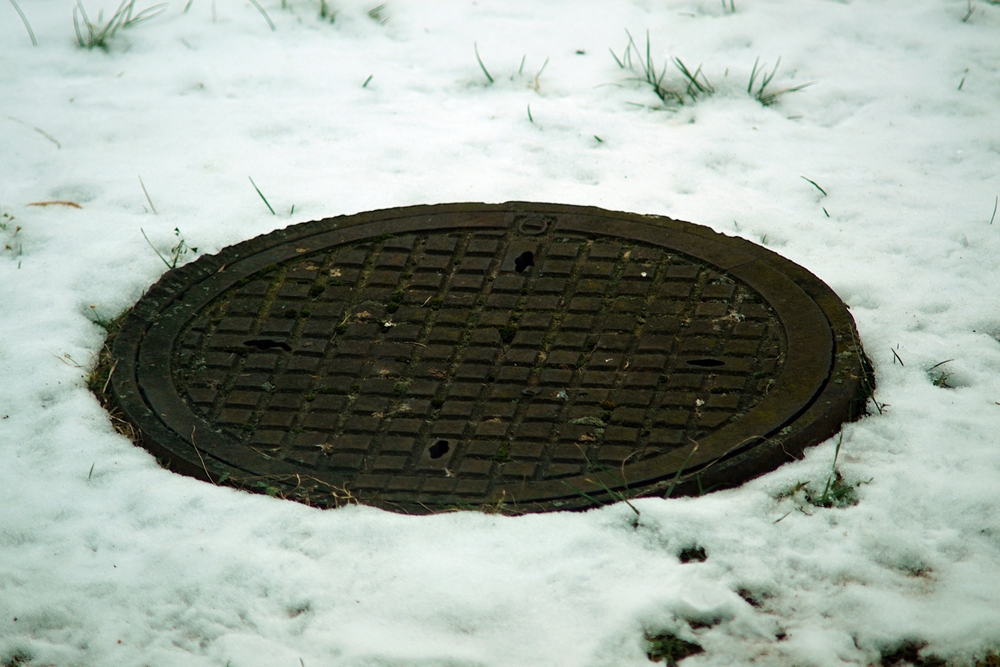
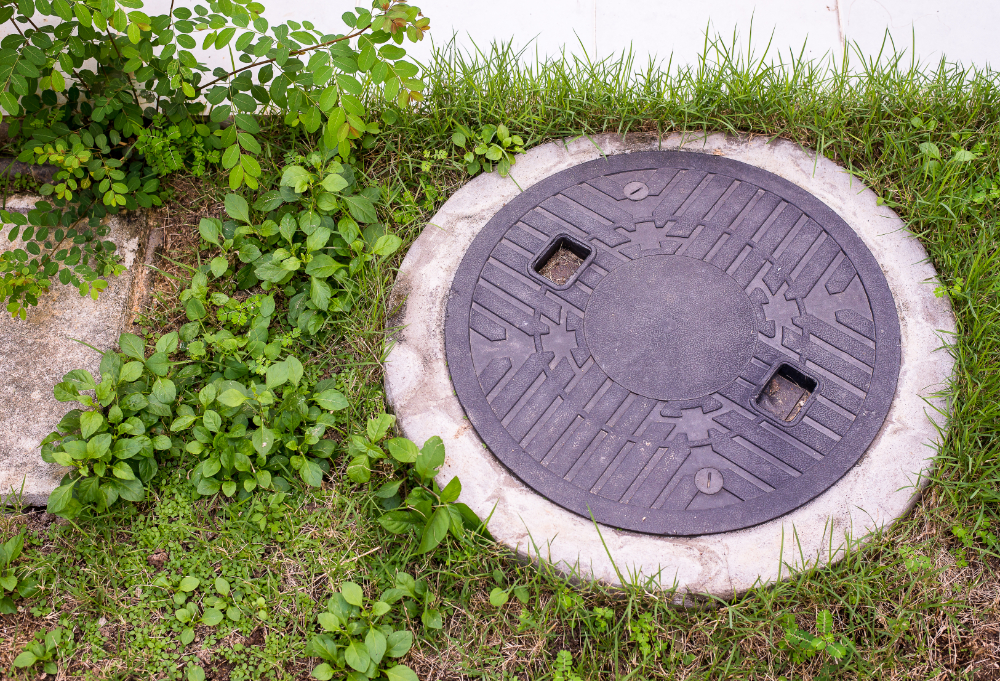
Learn the location of your OWTS tank, soil treatment area, and other known components before planning landscaping, parking, construction, or other property improvements.
Rural properties and homes throughout the eastern plains can have different system designs and property conditions, so do not assume your system is identical to a neighbor’s.
Colorado freeze-thaw cycles, snowmelt, precipitation, and changing household water use can affect the conditions homeowners observe around an OWTS.
Keep vehicles, structures, and heavy equipment away from the soil treatment area and other system components unless you know the area is designed to support them.
Keep pumping, inspection, repair, and system-location information with your other important property records.
Why OWTS Ownership Matters in Rural Areas
OWTS ownership matters in rural areas because properties can have very different wastewater arrangements depending on the lot, development history, available infrastructure, and system design. Someone moving from a sewer-served neighborhood may have never needed to think about what happens after wastewater leaves the house.
With an OWTS, the household plumbing, tank, soil treatment area, surrounding soil, and household water use are all connected. How you use water and what you put down your drains can affect the system located on your property.
High Plains Sanitation Service works throughout a broad service area that includes rural communities, the eastern plains, and the I-70 corridor. We encourage homeowners who are new to OWTS ownership to start by understanding their particular system instead of relying on assumptions based on another property.
Local Field Observations for New Homeowners
The best starting point for a new OWTS homeowner is establishing a baseline for the property before a problem develops. Find out what type of system serves the home, where its accessible components are located, and what maintenance or service information was transferred during the sale.
Across rural areas and the eastern plains, properties can change considerably over relatively short distances. Lot size, grading, development age, soil conditions, household use, and system configuration can all affect how an OWTS performs and what maintenance it requires.
If records from the previous homeowner are incomplete or unavailable, professional service can help establish a clearer picture of the system and its current maintenance needs.
How OWTS Problems Can Affect Your Home
OWTS problems can affect household drains, plumbing fixtures, outdoor areas, and your ability to use water normally. Problems do not always begin with an obvious sewage backup. Changes in drainage, odors, or conditions around the system may appear first.
This is especially useful to understand when you have recently purchased a property. You may know how your household uses water today, but you may have limited information about previous water use, pumping, maintenance, or repairs.
Establishing your own service records from the beginning gives you better information for future maintenance decisions.
Warning Signs Your OWTS Needs Attention
Warning signs of an OWTS problem can include changes in multiple drains, sewage odors, backups, or unusual wet areas around system components. Pay attention to patterns throughout the property rather than waiting until several serious symptoms appear at once.
Gurgling sounds from toilets or other plumbing fixtures.
Sewage odors inside the home or around the OWTS area.
Wastewater backing up into tubs, showers, or other low fixtures.
Unusually wet or soggy ground around the tank or soil treatment area.
Unexpected changes in vegetation over a particular part of the system area.
Recurring drainage trouble that does not behave like an isolated plumbing clog.
One slow sink may simply have a localized plumbing blockage. When several fixtures begin showing similar symptoms, the problem deserves closer attention.
When Should You Call an OWTS Professional?
You should call an OWTS professional when you notice symptoms involving multiple drains, sewage backup, persistent sewage odors, suspected tank issues, or unusual wet conditions around the system. These signs may indicate something beyond an ordinary fixture clog.
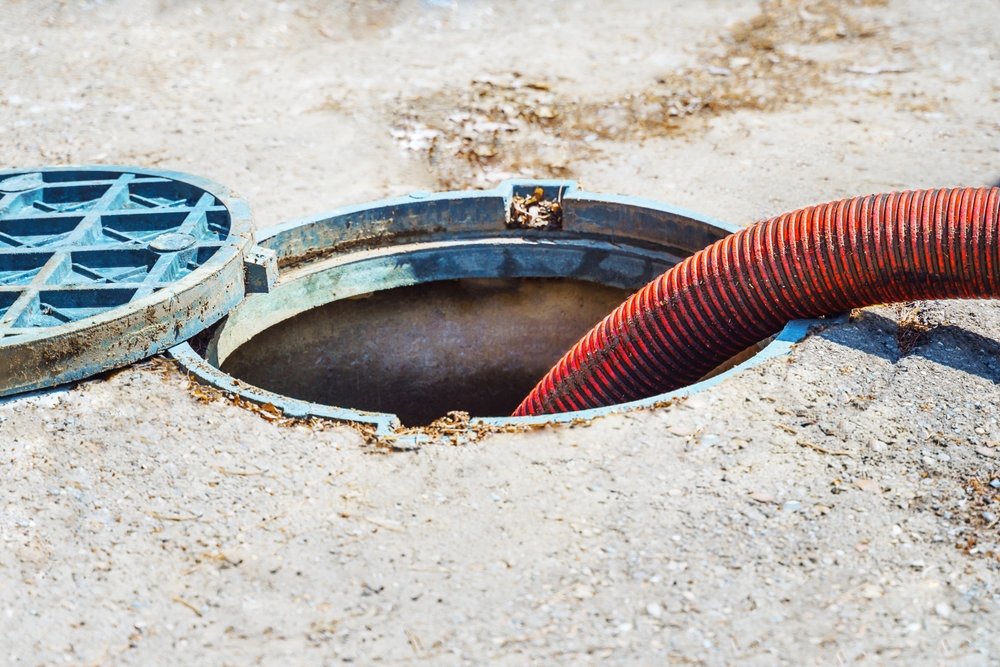
Homeowners can safely monitor drainage, manage household water use, keep heavy traffic away from system areas, and maintain service records. Opening tanks, entering septic components, and attempting system repairs without appropriate training and equipment should be left to professionals.
If you recently purchased a property and do not know the system’s condition, location, or maintenance history, establishing that information is a practical first step.
Common Causes of OWTS Trouble in Rural Homes
Common OWTS trouble can result from overdue maintenance, excessive water use, inappropriate materials entering the system, or physical disturbance around system components. Colorado’s seasonal conditions and the characteristics of individual rural properties can also affect what homeowners observe.
1. Unknown maintenance history: A new homeowner may receive little or no information about previous pumping, inspection, or repairs.
2. Too much water at once: Concentrated laundry use, plumbing leaks, running toilets, or unusually high household water use can place additional demand on the system.
3. Inappropriate materials entering drains: Wipes, hygiene products, grease, and other household waste can contribute to problems. A package describing something as “flushable” does not mean it is a good choice for an OWTS.
4. Disturbance around the soil treatment area: Vehicles, construction, grading changes, landscaping, and heavy equipment can damage or compact areas associated with the system.
5. Seasonal property conditions: Cold weather, snow accumulation, snowmelt, precipitation, and changing soil conditions can affect what homeowners see around their property.
How to Maintain an OWTS
Good OWTS maintenance starts with sensible water use, careful flushing habits, protection of system components, and professional service based on the actual system. Knowing where the system is located before snow covers the property can also make future maintenance and service easier.
Spread high-water-use activities throughout the week when practical rather than concentrating several loads of laundry or other heavy water use into a short period. Repair leaking toilets and faucets, and keep grease, wipes, hygiene products, and non-degradable household waste out of the system.
Do not choose a pumping schedule simply because someone else’s tank is serviced on that timetable. Tank size, household occupancy, wastewater volume, solids accumulation, system condition, and other factors can affect appropriate service timing.
What to Expect From Professional OWTS Service
Professional OWTS service should help you better understand the condition of the system and what maintenance or additional service it currently needs. The work performed will depend on the reason for the visit and the individual system.
For a new homeowner, one of the biggest benefits is establishing reliable information. Once you know more about your system and begin keeping your own service records, future maintenance becomes easier to manage proactively.
Common OWTS Mistakes New Homeowners Make
Common OWTS mistakes often happen when homeowners treat an onsite system exactly like municipal sewer service. Changing a few household and property-management habits can help protect the system.
Mistake: Flushing wipes because the package says they are flushable. Consequence: These materials may remain in the wastewater system and contribute to problems. Better approach: Limit toilet flushing to human waste and toilet paper.
Mistake: Waiting for a sewage backup before thinking about maintenance. Consequence: You lose the opportunity to identify routine maintenance needs before the system becomes disruptive. Better approach: Learn about the system and establish its maintenance history soon after moving in.
Mistake: Driving or parking over an unknown soil treatment area. Consequence: Vehicle weight can compact soil or damage system components. Better approach: Identify the OWTS before deciding where to park vehicles, place structures, landscape, or complete outdoor projects.
A Common Rural Scenario for New Homeowners
A common rural scenario is a buyer moving from a property with municipal sewer service to a larger-lot home served by an OWTS. The buyer knows an onsite system serves the house but receives limited information about its location or maintenance history.
Do not automatically assume the system is either overdue for service or in good condition. Gather the available property and service records, identify the system’s location, review documentation transferred with the home, and seek professional service when its history or current condition is unclear.
That gives you a starting point based on your property rather than guesswork.
OWTS Services That Help New Homeowners
OWTS services can help new homeowners establish routine maintenance, better understand their systems, and respond when warning signs develop. Depending on the property and system condition, pumping and troubleshooting may be appropriate.
Our goal is to help property owners understand what their own system needs rather than base maintenance decisions on another household’s system or an arbitrary schedule.
DIY monitoring is useful for everyday awareness, while professional service is appropriate for pumping and symptoms that may involve the OWTS itself. Homeowners play an important role by watching drainage, managing water use, protecting system areas, and maintaining records.
Professional help becomes more important when the system history is unknown, components cannot be located, sewage-related symptoms appear, or the tank requires service.
Never enter an OWTS tank or other confined system component.
Our OWTS Service Area
Our OWTS service area covers a broad portion of the eastern plains, rural communities, and properties along the I-70 corridor. We serve homeowners and property owners throughout this larger regional area based on their location and service needs.
What Can Happen If You Ignore OWTS Problems?
Ignoring OWTS warning signs can allow a developing issue to progress into wastewater backups, property disruption, or more involved service needs. Prompt attention is especially appropriate when several household drains are affected or sewage is appearing inside or outside the home.
Responding to unusual symptoms early also helps determine whether you are dealing with an isolated plumbing issue, routine OWTS maintenance, or a system problem that requires additional attention.
Start with your closing documents, property information, available records, and paperwork provided by the previous owner. Do not assume your wastewater service based only on nearby properties. Homes throughout rural areas can have different wastewater arrangements depending on the property, available infrastructure, and development history.
How often should an OWTS tank be pumped?
There is no single pumping interval that is appropriate for every property. Tank capacity, household occupancy, wastewater volume, solids accumulation, system design, and condition can all influence maintenance needs. Establishing information about your particular system is more useful than automatically following a schedule intended for a different household.
Can I use a garbage disposal with an OWTS?
A garbage disposal sends additional food solids into the wastewater system, so homeowners with an OWTS should be thoughtful about its use. Scraping food waste into the trash or composting appropriate materials can reduce the amount entering the tank. Consider your overall household habits and system condition when making maintenance decisions.
What should homeowners avoid flushing into an OWTS?
Homeowners should generally keep wipes, hygiene products, paper towels, grease, medications, and other household waste out of toilets and drains. Products marketed as flushable may not behave like toilet paper after entering an OWTS. Keeping disposal habits simple can reduce the amount of unnecessary material entering your wastewater system.
Can I landscape over my OWTS?
Landscaping around an OWTS requires care because roots, irrigation, soil changes, grading, and heavy equipment can interfere with the system or soil treatment area. Identify your system’s location before making significant landscaping changes. The appropriate landscaping choices will depend on the location, design, and characteristics of your particular system.
What should I do if my new home has no OWTS maintenance records?
Gather whatever property and service documentation is available, then consider professional service if the maintenance history remains unknown. Missing records do not automatically indicate a problem, but they make previous maintenance difficult to verify. Start keeping your own records so you have reliable service information going forward.
Can Colorado’s wet weather affect what I notice around my OWTS?
Wet weather, snowmelt, and saturated ground can make outdoor conditions around an OWTS more noticeable. Because precipitation and melting snow can also create naturally wet areas, look at the complete pattern. Persistent odors, unusual drainage behavior, wastewater surfacing, or wetness concentrated around system components deserve closer attention.
Is a slow drain always an OWTS problem?
No. A single slow fixture can result from a localized plumbing clog. If multiple drains slow down together, toilets begin behaving unusually, or the drainage problem occurs along with sewage odors or wastewater backup, the combination of symptoms may justify professional investigation instead of repeatedly treating individual fixtures.
Start OWTS Ownership With a Clear Plan
Starting OWTS ownership with a clear plan means knowing where your system is located, understanding what enters it, protecting the tank and soil treatment area, keeping service records, and paying attention to changes around your home.
For homeowners throughout rural areas, the eastern plains, and the I-70 corridor, the goal is not to become an OWTS expert. It is to understand your property well enough to recognize routine maintenance needs and know when professional help makes sense.
Get Your New Home’s OWTS Maintenance on Track
We help homeowners throughout our broad service area better understand and maintain their onsite wastewater treatment systems. Start with the system you actually have and build a maintenance history you can rely on.
Summer changes the daily rhythm of a home. When school is out, kids are home more often, relatives may visit, laundry piles up faster, and showers, toilets, sinks, and dishwashers can see much heavier use.
For Brighton households that rely on septic systems, that extra activity matters. A system that handles the school-year routine without trouble can face a much larger wastewater load once everyone is home for summer.
Quick answer: A Brighton septic system can usually handle normal summer household use when it is properly sized, maintained, and functioning correctly. Problems are more likely when a household suddenly sends large volumes of wastewater into the system within short periods. Spreading out laundry, showers, dishwasher cycles, and other water-intensive activities can reduce peak loads and give the septic system more time to process wastewater.
What local homeowners should know
Summer schedules can increase wastewater volume because more people are using bathrooms, sinks, showers, washing machines, and dishwashers throughout the day.
Brighton’s hot, dry summer conditions do not eliminate septic concerns because the amount and timing of wastewater entering the tank still affect system performance.
Homes in rural and semi-rural portions of Adams County may depend on onsite wastewater treatment rather than municipal sewer service.
Slow drains, sewage odors, unusual wet areas near the drain field, or wastewater backing up indoors deserve prompt attention.
Water conservation during periods of heavy household activity can help reduce unnecessary stress on a septic system.
Why Does Summer Put More Pressure on a Brighton Septic System?
Summer can put more pressure on a Brighton septic system because children, guests, and changing household routines may send more wastewater into the tank each day and create larger peak flows. The issue is not simply that more water is used. Large amounts entering the system close together can be particularly challenging.
Think about a typical school-year weekday. The house may be relatively quiet for several hours. Once summer break begins, toilets may flush throughout the day, kids may shower after outdoor activities, and extra meals can mean additional dishwasher cycles.
Add several loads of laundry on the same afternoon and the system receives a very different workload.
That can be especially relevant for properties around Brighton and the more rural portions of Adams County, where onsite wastewater systems serve homes outside conventional sewer networks.
High Plains Sanitation Service works with local septic needs, and we encourage homeowners to pay attention to changes in household water use rather than waiting for an obvious wastewater problem.
What Local Data or Field Information Should Homeowners Consider?
The most useful information for an individual septic system is its maintenance history, household occupancy, tank condition, and recent performance rather than a generic summer usage number. No property-specific inspection data or client field observations were provided for this article, so homeowners should avoid assuming that a neighboring system’s maintenance schedule applies to their property.
A household that adds several people during summer may notice changes even though nothing about the septic system itself has changed.
Age, system design, tank capacity, previous maintenance, drain-field condition, and water-use habits all influence how well a system responds to increased demand.
How Can a Summer Peak Load Affect Your Septic System?
A summer peak load can overwhelm a struggling septic system by introducing wastewater faster than the system can comfortably receive and process it. For local homeowners, the first clues may appear inside the house through drainage changes or outside around the septic components and drain field.
A single busy day does not automatically mean a septic emergency. Repeated heavy water use, however, can expose problems that were already developing.
This is why changes in performance deserve attention. A septic system that suddenly behaves differently when the household gets busier may need professional evaluation rather than another round of drain cleaner or DIY troubleshooting.
What Warning Signs Should Brighton Homeowners Watch For?
Brighton homeowners should watch for drainage, odor, backup, and drain-field changes that appear during periods of heavier summer water use. These signs do not identify the exact septic problem by themselves, but they can indicate that the system needs closer attention.
Toilets flushing poorly or behaving differently than usual.
Gurgling sounds from plumbing fixtures.
Sewage odors indoors or around septic components.
Wastewater backing up into tubs, showers, or other low drains.
Unusually wet or soggy areas around the drain field.
Wastewater-related problems becoming more noticeable after laundry day or when guests are staying.
If several fixtures are affected at once, the issue may extend beyond a single clogged drain.
When Should You Call a Septic Professional?
Call a septic professional when symptoms involve multiple drains, sewage odors, wastewater backups, persistent drainage problems, or suspicious conditions around the tank or drain field. Homeowners can safely monitor water use and obvious plumbing symptoms, but opening tanks or attempting septic repairs should be left to trained professionals.
If a Brighton household experiences a backup, reducing water use immediately can help avoid adding more wastewater while the problem is being evaluated.
For properties in Adams County and surrounding communities, early evaluation can also help distinguish a maintenance issue from a plumbing blockage, drain-field concern, or another system problem.
What Common Causes Can Create Summer Septic Trouble?
The most common summer septic trouble comes from increased water volume, concentrated water use, overdue maintenance, and putting inappropriate materials down household drains. Summer does not necessarily create the underlying problem, but a busier household can reveal a system that has less available capacity than expected.
Common contributors include:
Back-to-back laundry loads: Several loads can send substantial amounts of water into the system over a short period.
More people at home: Children on summer break and visiting relatives increase toilet, shower, sink, and kitchen use.
Concentrated morning or evening routines: Multiple showers combined with laundry and dishwasher use can create peak demand.
Garbage disposal habits: Sending unnecessary food waste into the wastewater system adds material the septic system must handle.
Delayed septic maintenance: A system that is already due for service has less room for error when household demand rises.
Brighton’s summer routines can magnify these issues simply because a house may stay active from morning through evening.
How Can You Reduce Summer Stress on Your Septic System?
You can reduce summer septic stress by spreading water use across the day, avoiding unnecessary wastewater, protecting the drain field, and keeping up with appropriate system maintenance. These habits are particularly useful when children are home, relatives visit, or the household temporarily becomes much busier.
Try spacing laundry loads instead of running several consecutively. Avoid running the dishwasher at the same time everyone is showering when practical. Repair obvious plumbing leaks rather than allowing water to enter the system continuously.
Keep vehicles and heavy equipment away from septic and drain-field areas. Children should also have a clear play area that does not involve disturbing septic components.
Safe DIY maintenance mostly involves managing household water and watching for changes. Tank access, pumping, diagnosis, and repairs belong with a septic professional.
What Results Can You Expect From Better Summer Water Management?
Better summer water management can reduce unnecessary peak wastewater flows and make household demand more consistent throughout the day. It cannot repair a failing component or restore a drain field that has developed a serious problem, but it can help a functioning system avoid needless stress.
If symptoms continue despite more careful water use, the next step is not increasingly aggressive DIY treatment. It is determining why the system is struggling.
Professional septic service can help identify whether maintenance or further evaluation is appropriate for the property.
What Summer Septic Mistakes Should You Avoid?
The biggest summer septic mistakes involve treating increased household activity as harmless, ignoring early symptoms, and responding to a system problem with an unsuitable DIY fix.
Mistake: Doing every load of laundry on one day. Consequence: The system receives repeated high-volume wastewater discharges. Better approach: Spread loads across multiple days when possible.
Mistake: Ignoring slow drains because the house is busy. Consequence: An early warning can develop into a more disruptive problem. Better approach: Notice whether the issue affects one fixture or several and seek service when symptoms persist.
Mistake: Assuming a septic additive replaces normal maintenance. Consequence: An underlying maintenance or system problem may remain unresolved. Better approach: Base septic care on the actual condition and needs of the system.
What Is a Common Brighton Summer Septic Scenario?
A common Brighton summer scenario is a household that operates normally during the school year but experiences drainage changes after several days of heavier water use. This is an illustrative local scenario, not a High Plains Sanitation Service case study.
Imagine the kids are home, relatives arrive for a weekend, the washing machine runs repeatedly, and everyone showers before an evening outing. Soon afterward, several drains seem slower.
The useful response is to reduce unnecessary water use and pay attention to whether the symptoms disappear or persist. Multiple slow drains, odors, backups, or outdoor wastewater symptoms justify professional attention.
Which Septic Services Can Help With Summer Problems?
Septic pumping, inspection, maintenance, and professional evaluation can help address or identify many problems that become noticeable during heavy summer use. The correct service depends on what is happening with the individual system rather than on the season alone.
Routine service may reveal that maintenance is due. An evaluation may point toward another septic or plumbing concern requiring additional attention.
Should You Manage the Problem Yourself or Call for Service?
Water-use adjustments are appropriate for prevention, while recurring drainage problems, backups, odors, or drain-field concerns call for professional septic service. Knowing where that line falls can prevent Brighton homeowners from turning a manageable situation into a larger problem.
DIY steps include spacing laundry, reducing unnecessary water use, checking for leaking fixtures, and monitoring symptoms.
Professional help is appropriate when the problem involves the septic tank, system components, wastewater backups, repeated whole-house drainage changes, or the drain field.
What Areas Around Brighton Face Similar Summer Septic Concerns?
Properties throughout Brighton and surrounding portions of Adams County can experience increased septic demand when household occupancy rises during summer. Similar concerns can apply to septic-served properties toward Henderson, Fort Lupton, Lochbuie, and other rural or semi-rural communities along Colorado’s northern Front Range.
The important factor is whether the individual property uses an onsite wastewater system and how that system responds to changing household demand.
What Can Happen If You Ignore Septic Warning Signs?
Ignoring septic warning signs can allow drainage problems, backups, odors, and system issues to become more disruptive and potentially more expensive to address. Waiting is particularly inconvenient during a Brighton summer when children are home and bathrooms, kitchens, and laundry facilities are in constant use.
Reducing water use may temporarily ease symptoms, but recurring problems still deserve investigation. A household should not have to plan its entire summer around whether flushing a toilet or running the washing machine will cause trouble.
Frequently Asked Questions About Summer Septic Use
Can kids being home all summer overload a Brighton septic system?
Yes, increased household occupancy can increase the amount and frequency of wastewater entering a Brighton septic system. That does not mean problems are inevitable. A properly functioning system may handle the change well, while an already stressed or overdue system may begin showing symptoms when showers, toilets, laundry, and kitchen use increase.
Should Brighton homeowners spread out laundry loads?
Yes, spreading laundry across the week can reduce concentrated wastewater flow into the septic system. Instead of running several loads back-to-back, households can give the system more time between high-water-use activities. This is particularly practical during summer when children are home and laundry volume may already be higher.
Is summer heat itself bad for septic systems in Adams County?
Summer heat is not the main reason household septic demand increases in Adams County. The more immediate issue is often how people use water when schedules change. More occupants, guests, showers, laundry, cooking, and cleaning can substantially change the wastewater pattern reaching an onsite system.
Can I run the dishwasher and washing machine at the same time?
A functioning system may handle simultaneous appliance use, but spacing high-water-use activities can reduce peak flow when the household is especially busy. Brighton families experiencing warning signs should be particularly careful about adding unnecessary wastewater until the system has been evaluated and the cause of the problem is understood.
Are slow drains always a septic problem?
No, a single slow drain can result from a localized plumbing blockage rather than the septic system. Multiple slow fixtures, especially when accompanied by gurgling, odors, backups, or outdoor wastewater symptoms, are more concerning. Brighton homeowners should look at the pattern of symptoms rather than assuming every clogged sink requires septic service.
What should I do if sewage backs up during a Brighton summer gathering?
Reduce household water use immediately and arrange professional evaluation when sewage is backing up through fixtures. Avoid continuing showers, laundry, dishwasher cycles, and other unnecessary water use that adds wastewater. A backup can involve septic or plumbing problems, so identifying the cause is more useful than guessing at a DIY solution.
Should I have my septic system checked before summer guests arrive?
A professional check can be worthwhile if maintenance is due, the system’s history is uncertain, or you have noticed previous warning signs. For septic-served homes around Brighton and rural Adams County, addressing an existing concern before guests arrive can be more convenient than dealing with drainage or wastewater problems during a busy weekend.
Does reducing water use fix a failing drain field?
No, reducing water use does not repair a failing drain field or another damaged septic component. Conservation can reduce the immediate wastewater load, but persistent wet areas, odors, backups, or drainage problems require proper evaluation. Homeowners should treat water management as prevention and load reduction, not as a substitute for necessary septic service.
Keep Your Brighton Septic System Ready for a Busy Summer
A house full of kids should mean more snacks, more backyard activity, and more summer memories, not constant worry about the septic system. Paying attention to water-use patterns and responding quickly to warning signs can help Brighton homeowners protect normal household routines throughout the busiest part of the season.
Protect Your Home From Summer Septic Disruptions
We help local property owners address septic maintenance and service needs before wastewater problems disrupt the household.
If you own an older home in Parker, CO or the rural stretches of Franktown, you already know that charm and character come with responsibility. Many of these properties sit on land that has been developed for decades, and the septic systems beneath them reflect that history. Old septic tank maintenance is not just a seasonal chore; it is an ongoing commitment that protects your home’s value, your family’s health, and the surrounding environment.
Understanding how to approach septic system troubleshooting and extending the life of an aging septic tank can save you thousands of dollars and prevent the kind of failures that turn a manageable situation into a full-scale emergency.
Why Older Septic Systems in Parker and Franktown Deserve Special Attention
Parker, CO has grown dramatically over the past few decades, but tucked within its expanding neighborhoods are properties that predate much of that growth. Franktown, sitting just to the southeast along State Highway 83, is even more deeply rooted in Colorado’s rural heritage. Homes in both areas frequently sit on larger lots served by septic systems installed in the 1960s, 1970s, or 1980s. These systems were built to different standards, used different materials, and were sized for households that consumed far less water than modern families do today.
Concrete tanks from that era are prone to cracking as the ground shifts and freezes through Colorado winters. Steel tanks, which were common before the widespread use of polyethylene and fiberglass, are especially vulnerable to corrosion. The drain fields connected to these older systems were often designed with a shorter service life in mind, and many of them are now operating well past their intended use. Recognizing that your system belongs to this aging category is the first step toward giving it the care it requires.
Signs That Your Aging Septic Tank Needs Immediate Attention
Septic system troubleshooting starts with knowing what to look for before a small issue becomes a catastrophic one. Homeowners in Parker and Franktown should walk their property regularly and pay close attention to the area above and around the drain field. Soft, soggy ground that stays wet even during dry spells is one of the clearest warning signs that something is wrong below the surface. Odors near the tank or drain field, particularly the unmistakable smell of sulfur or sewage, should never be ignored.
Inside the home, slow drains throughout multiple fixtures at the same time are a red flag. When just one drain is slow, the problem is usually a localized clog. When every drain in the house seems sluggish, the issue is more likely a full or failing septic tank. Gurgling sounds from toilets and drains, sewage backups in the lowest fixtures of the house, and unusually lush or green grass growing directly over the drain field are all signs that the system is under stress.
Older systems in this region sometimes also suffer from root intrusion. The trees and shrubs that have grown up around historic properties over the years send roots toward moisture, and septic components are a prime target. If your property has mature trees near the tank or drain field, root intrusion should be part of your regular inspection checklist.
Old Septic Tank Maintenance Practices That Extend System Life
The single most important thing you can do for old septic tank maintenance is to pump the tank on a consistent schedule. For most households, that means every three to five years, but older tanks with smaller capacities or homes with heavier usage may need more frequent service. In Franktown especially, where properties are often more remote and service calls are a bigger logistical undertaking, staying ahead of the pumping schedule prevents the kind of overflow that requires emergency intervention.
Beyond pumping, what goes into the system matters enormously. Harsh chemical drain cleaners kill the beneficial bacteria that break down solids inside the tank. Grease, non-biodegradable wipes labeled as “flushable,” and excessive amounts of food waste from garbage disposals all accelerate the buildup of solids and shorten the period between required pumpings. Homeowners in Parker who are on septic should treat their systems as carefully as those in the more rural Franktown area because both communities share the same risk when systems fail, namely, groundwater contamination.
Adding a bacterial additive or enzyme treatment periodically can help replenish microbial activity, particularly in systems that have been stressed by antibiotic use, heavy cleaning products, or long periods of inactivity. This is not a substitute for pumping, but it is a useful supplement for extending the life of an aging septic tank. Water conservation also plays a direct role in system health. Spacing out laundry loads, fixing leaky faucets, and installing low-flow fixtures reduce the hydraulic load on a drain field that may already be struggling.
Having your system professionally inspected every year or two, rather than only when problems arise, allows a technician to catch cracks, deteriorating baffles, and early signs of drain field saturation before they escalate. Many older tanks have missing or degraded inlet and outlet baffles, and replacing these components is a relatively inexpensive repair that can dramatically improve how the system functions.
Navigating Douglas County Regulations for Older Septic Systems
Properties in Parker, CO and Franktown fall under Douglas County jurisdiction for septic system oversight. The county’s public health department has regulations in place that govern inspections, repairs, and replacements of onsite wastewater treatment systems. If your system is flagged during an inspection or if you are selling your property, you may be required to bring the system up to current code standards.
For older systems, this can mean anything from a minor repair to a full replacement of the drain field or tank. Understanding your obligations ahead of time, rather than discovering them mid-sale or after a failure, puts you in a much stronger position. Douglas County also requires permits for any significant repair or alteration to an existing septic system, so working with a licensed septic contractor who knows the local regulations is essential.
Homeowners considering adding square footage, converting a guest house, or significantly increasing the number of occupants should consult with a licensed contractor before making changes. Systems sized for a two-bedroom home in the 1970s may not legally or practically support the demands of a fully expanded modern household. Getting ahead of this conversation protects your investment and keeps you on the right side of county requirements.
Extending the Life of Your Aging Septic Tank Through Smart Upgrades
While full system replacement is sometimes unavoidable, there are targeted upgrades that can meaningfully extend the life of an aging septic tank without requiring a complete overhaul. Installing an effluent filter at the outlet of the tank is one of the most cost-effective improvements available. This device prevents solids from migrating into the drain field, which is one of the leading causes of drain field failure in older systems.
Risers and access lids are another smart upgrade for older tanks that were buried deep with no easy access port. Adding risers brings the inspection and pumping access point to ground level, making maintenance faster, cheaper, and more likely to happen on schedule. For systems where the drain field is showing early signs of stress, aerating the soil around the field or applying a product designed to restore permeability can buy additional years of service.
In some cases, adding a secondary treatment unit or a distribution box upgrade can redistribute the hydraulic load more evenly across an older drain field, relieving pressure on sections that are failing while allowing healthier sections to continue functioning. These kinds of targeted interventions, combined with consistent old septic tank maintenance practices, give historic properties in Parker and Franktown their best chance at long-term system performance.
Conclusion
Aging septic systems in Parker, CO and Franktown are a reality for many property owners, but they do not have to be a source of constant anxiety. With consistent maintenance, informed septic system troubleshooting, and a proactive approach to upgrades and inspections, extending the life of an aging septic tank is entirely achievable. The key is treating your system as the critical infrastructure it is, giving it regular attention before small problems grow into expensive ones.
Need Septic Tank Service Near You?
If you’re looking for dependable, expert septic services in Strasburg or the surrounding areas, don’t hesitate to reach out to us at High Plains Sanitation Service. We’ve been proudly serving our community since 1959 as a family-owned and -operated business, and we’re here to ensure your septic system runs smoothly with top-notch pumping, cleaning, inspections, and even electrical support. Our NAWT certification and CPOW membership mean you can trust in the quality of our work—and your satisfaction is always our top priority. Give us a call today and let us show you the High Plains difference!
Congratulations on your new home in the Aurora or Centennial area. If you’re a first-time septic tank owner, you’re embarking on a learning journey that will help you maintain one of your home’s most important systems. Many homeowners in these Colorado subdivisions don’t realize that their septic system requires regular attention and care. Understanding the basics of septic maintenance can save you thousands of dollars in repairs and prevent environmental damage to your property and community.
A septic system is not something you can simply “set and forget.” Unlike homes connected to municipal sewer lines, your Aurora or Centennial home relies on your septic tank to properly treat and dispose of household wastewater. This guide will walk you through everything you need to know as a first-time septic tank owner, from understanding how your system works to knowing when it’s time to call in the professionals.
Understanding Your Septic System: Septic vs Sewer
Before diving into maintenance, it’s important to understand the fundamental difference between a septic system and a traditional municipal sewer connection. Homes connected to a sewer system send all wastewater directly to a treatment facility operated by your city or county. The city of Aurora and surrounding areas do offer sewer service to some properties, but many homes in newer subdivisions rely on private septic systems.
A septic system is essentially a self-contained wastewater treatment plant located on your property. When you flush a toilet or drain a sink in your home, that wastewater travels through pipes to your septic tank, which is typically buried underground in your yard. The tank is a large, watertight container, usually made of concrete, fiberglass, or plastic. Inside the tank, heavier solids settle to the bottom and form sludge, while lighter materials float to the top as scum. The liquid wastewater, called effluent, exits the tank and flows into a drain field (also called a leach field) where it percolates into the soil.
The choice between septic vs sewer depends on where your property is located. In Aurora, CO, you may have the option to connect to municipal sewer service, but many properties in outlying areas and in Centennial rely on septic systems because sewer infrastructure isn’t available. If you’re unsure whether your home uses a septic system or sewer connection, check your property deed, ask your real estate agent, or contact your local health department.
How Often to Pump Your Septic Tank
One of the most important first-time septic tank owner tips is understanding the pumping schedule. The question “how often to pump septic tank” doesn’t have a one-size-fits-all answer, but there are general guidelines that apply to most homeowners in Aurora, CO and Centennial.
The typical recommendation is to have your septic tank pumped every three to five years. However, this can vary significantly based on several factors. The size of your tank matters greatly. A household of four people in a 1000-gallon tank will need more frequent pumping than the same household with a 1500-gallon tank. Your household size and water usage also play crucial roles. Families that use more water produce more wastewater, which fills the tank faster.
Additionally, your septic tank should be pumped more frequently if you have a garbage disposal, use a lot of antibacterial soap, or flush non-flushable items down the toilet. Many septic experts recommend pumping every three years if you fall into these categories. Conversely, if you’re a single person or couple with low water usage, you might extend the interval to five years.
The best approach is to have your tank inspected by a professional septic service during each visit. A trained technician can assess the sludge and scum levels and recommend the optimal pumping schedule for your specific situation. For homeowners in Aurora and Centennial, several reputable septic service companies offer inspection and pumping services at reasonable rates.
Common Septic Problems and How to Avoid Them
First-time septic tank owners often make mistakes that lead to expensive repairs and system failure. Understanding what can go wrong helps you protect your investment. One of the most common problems is flushing items that shouldn’t go down the toilet. Paper towels, feminine hygiene products, dental floss, and cooking grease can cause blockages and damage to your system. Only toilet paper and human waste should go down the toilet in a septic system household.
Another frequent issue is allowing chemicals to enter the system. Harsh drain cleaners, excessive antibacterial soaps, and certain pesticides can kill the beneficial bacteria that make your septic system function. This bacterial breakdown is essential for breaking down waste in your tank. If you kill the bacteria, your system won’t work properly.
Tree root intrusion is another serious problem in the Centennial and Aurora areas. Tree roots are attracted to moisture and can infiltrate drain field lines, causing blockages and system failure. When planting new trees on your property, keep them at least 10 feet away from your septic tank and drain field. Avoid planting trees with aggressive root systems, like willows or certain poplars, near your system.
Water conservation also plays a role in septic system longevity. Excessive water usage can overwhelm your drain field and prevent proper soil absorption. Taking shorter showers, fixing leaking toilets, and spreading laundry loads throughout the week all help reduce the burden on your system. This is especially important in Colorado, where soil conditions in Aurora and Centennial can sometimes challenge drainage efficiency.
When to Call a Professional Septic Service
Even with proper maintenance, issues can arise that require professional attention. Learning to recognize warning signs is crucial for first-time septic tank owners. If you notice sewage backups in your home, slow drains, or foul odors coming from your yard or plumbing, contact a septic specialist immediately. These signs indicate that your tank is full, your drain field is failing, or there’s a blockage in your system.
Wet spots in your yard over the drain field area also suggest a problem. The drain field should not be visibly wet or soggy under normal conditions. Similarly, unusually lush or green patches of grass over the drain field might seem nice but actually indicate that effluent is pooling there instead of permeating properly into the soil.
It’s also wise to have your septic system inspected before you have major plumbing work done, before selling your home, or after heavy rainstorms that could have affected your drain field. In the Centennial area, heavy spring runoff can sometimes impact septic performance. A professional inspection can identify problems before they become emergencies.
Maintaining Your Septic System for Long-Term Success
Taking proactive steps to maintain your septic system ensures it lasts for decades. In addition to regular pumping, use septic-safe toilet paper and avoid flushing anything other than toilet paper and human waste. Minimize your use of harsh chemicals, and dispose of grease properly in the trash rather than down the drain.
Consider having a professional inspection every two to three years, especially if you’re new to septic system ownership. Document your pumping and maintenance records, as this information is valuable if you ever sell your home. Creating a mental map of your system’s location helps you avoid driving or parking heavy vehicles over it, which can compress the soil and reduce drainage efficiency.
Education is one of the best first-time septic tank owner tips. The more you understand about how your system works and what can harm it, the better decisions you’ll make as a homeowner in Aurora, CO or Centennial.
Conclusion
Understanding your septic system transforms you from a frustrated first-time septic tank owner into a confident homeowner. Regular pumping, mindful water usage, and knowing when to call professionals will keep your system functioning properly for years to come. Whether you’re in Aurora, CO or Centennial, taking these steps protects your property value and your peace of mind.
Need Septic Tank Service Near You?
If you’re looking for dependable, expert septic services in Strasburg or the surrounding areas, don’t hesitate to reach out to us at High Plains Sanitation Service. We’ve been proudly serving our community since 1959 as a family-owned and -operated business, and we’re here to ensure your septic system runs smoothly with top-notch pumping, cleaning, inspections, and even electrical support. Our NAWT certification and CPOW membership mean you can trust in the quality of our work—and your satisfaction is always our top priority. Give us a call today and let us show you the High Plains difference!
The Interstate 70 corridor stretches through Eastern Colorado as a vital commercial artery, connecting Denver to the eastern plains and beyond. Thousands of businesses, from bustling restaurants to industrial operations, depend on reliable infrastructure to keep their operations flowing smoothly. One critical system that often gets overlooked is the commercial septic system. For establishments along this corridor, maintaining proper wastewater management through regular commercial septic pumping and industrial septic maintenance is essential to avoiding costly disruptions and environmental compliance issues.
The I-70 corridor encompasses communities like Strasburg and countless other towns that have grown into thriving business hubs. These municipalities support diverse commercial operations that generate significant wastewater volumes daily. Without proper maintenance and professional commercial septic pumping services, businesses risk facing shutdowns, fines, and damage to their reputation. Understanding the unique challenges of septic management in this region is crucial for any business owner looking to maintain continuous operations.
Commercial Septic Systems Along the Corridor
Commercial septic systems differ significantly from residential systems, particularly in terms of capacity, complexity, and regulatory requirements. Businesses located along the I-70 corridor must comply with both state and local environmental regulations, which mandate regular inspections and maintenance schedules. The system must handle not only restroom waste but also greywater from sinks, showers, and other fixtures specific to each business type.
For many establishments, the septic tank serves as the primary treatment system before wastewater enters the drain field or is properly disposed of through other approved methods. The system relies on bacterial action to break down solids and reduce the overall waste volume. However, when solids accumulate faster than they can decompose, the tank reaches capacity and requires professional commercial septic pumping to maintain functionality.
The soil conditions throughout Eastern Colorado present specific challenges for septic system design and maintenance. The region’s clay-heavy soil composition can impact drain field performance and percolation rates. Professional septic service providers familiar with the I-70 corridor understand these regional soil characteristics and can provide targeted maintenance strategies tailored to local conditions.
The Critical Role of Restaurant Grease Trap Cleaning
Restaurants and food service establishments represent some of the most challenging commercial operations for septic system management. These businesses generate significant volumes of grease, oils, and food waste that can overwhelm standard septic systems if not managed properly. For restaurants operating along the I-70 corridor, implementing a comprehensive restaurant grease trap cleaning schedule is absolutely essential.
Grease and oils do not break down like organic matter in traditional septic tanks. Instead, they accumulate and form blockages that restrict water flow and create backup situations. When grease accumulates in pipes and drain fields, it hardens and becomes extremely difficult to remove. This accumulation can lead to system failures that shut down restaurant operations and create significant financial losses.
Professional restaurant grease trap cleaning services use specialized equipment and techniques to remove accumulated grease and prevent blockages. These services typically include high-pressure jetting, grease trap pumping, and thorough cleaning of all associated piping. The frequency of restaurant grease trap cleaning depends on the volume of cooking operations, with busy establishments requiring service every one to two weeks.
Many restaurants in the I-70 corridor initially underestimate their grease management needs and delay professional service until problems develop. By that point, costly repairs may be necessary. Proactive restaurant grease trap cleaning is far more economical than emergency repairs and system replacements. Restaurants that maintain regular grease trap service avoid operational disruptions and maintain compliance with health department regulations.
Commercial Septic Pumping and Routine Maintenance
Regular commercial septic pumping forms the foundation of any preventive maintenance program for businesses along the I-70 corridor. The frequency of pumping depends on tank size, business type, and wastewater volume. Most commercial establishments require pumping every three to six months, though high-volume operations may need monthly service.
During a commercial septic pumping appointment, trained professionals use powerful vacuum trucks to extract accumulated solids from the tank. The process includes measuring sludge levels, inspecting the tank for damage, and removing the accumulated waste. Proper disposal of pumped waste at licensed facilities ensures environmental compliance and protects groundwater resources.
Professional pumping services go beyond simply emptying the tank. Technicians conduct visual inspections to identify potential problems early, such as cracks, leaks, or deteriorating baffles. These inspections can catch issues before they develop into expensive emergency repairs. Many septic service companies provide detailed inspection reports that help business owners track system performance over time.
For businesses in Strasburg and throughout the I-70 corridor, establishing a relationship with a qualified septic maintenance provider is invaluable. Regular service appointments create a documented maintenance history that demonstrates compliance with environmental regulations and protects the business if regulatory agencies conduct inspections.
Industrial Septic Maintenance for Large-Scale Operations
Large industrial facilities along the I-70 corridor often operate septic systems on a scale far beyond typical commercial applications. Manufacturing plants, processing facilities, and distribution centers generate specialized waste streams that require sophisticated treatment approaches. For these operations, industrial septic maintenance represents a critical business function rather than a simple utility service.
Industrial septic maintenance may include pretreatment systems designed to remove specific contaminants before wastewater enters the main septic system. These might include grease separators, sand filters, aerobic treatment units, or chemical treatment systems. Each type of industrial operation generates unique waste characteristics that require specialized solutions.
The regulatory environment for industrial septic systems is particularly stringent, with ongoing monitoring and reporting requirements. Professional industrial septic maintenance providers stay current with all applicable regulations and help businesses maintain compliance. This expertise prevents costly violations and protects facilities from operational shutdowns due to non-compliance.
For large operations, industrial septic maintenance often includes emergency response capabilities. When system problems develop, these facilities cannot afford extended downtime. Experienced maintenance providers maintain rapid response protocols and keep equipment and supplies readily available for emergency situations.
Compliance and Environmental Responsibility in Eastern Colorado
Eastern Colorado communities, including those served by businesses along the I-70 corridor, depend on groundwater for drinking water and agricultural use. Proper commercial septic pumping and industrial septic maintenance protect these vital water resources from contamination. Business owners have both a legal obligation and an ethical responsibility to maintain their septic systems properly.
State regulations require regular inspections of commercial septic systems, with documentation maintained for regulatory review. Local health departments in communities throughout the I-70 corridor conduct routine inspections to verify compliance. Businesses that neglect proper maintenance risk significant penalties and potential operation suspension.
Environmental responsibility extends beyond legal compliance. Failing septic systems can contaminate soil and groundwater, affecting entire communities. Business owners who invest in proper maintenance demonstrate commitment to their local environment and community wellbeing. This commitment also enhances business reputation, as customers increasingly prefer establishments that demonstrate environmental responsibility.
Professional septic service providers in the I-70 corridor understand the regulatory landscape and help businesses navigate complex compliance requirements. They maintain current knowledge of changing regulations and ensure that maintenance practices meet all applicable standards.
Conclusion
Commercial septic pumping and proper industrial septic maintenance are not optional luxuries for businesses along the I-70 corridor but rather essential investments in operational continuity and environmental stewardship. Whether operating restaurants requiring specialized restaurant grease trap cleaning or industrial facilities needing comprehensive septic system management, business owners must prioritize regular professional service. Companies throughout Strasburg, Eastern Colorado, and the entire I-70 corridor benefit from partnering with qualified septic maintenance providers who understand regional challenges and regulatory requirements. By maintaining proactive service schedules and addressing issues early, businesses protect their operations, comply with regulations, and contribute to environmental protection in their communities.
Need Septic Tank Service Near You?
If you’re looking for dependable, expert septic services in Strasburg or the surrounding areas, don’t hesitate to reach out to us at High Plains Sanitation Service. We’ve been proudly serving our community since 1959 as a family-owned and -operated business, and we’re here to ensure your septic system runs smoothly with top-notch pumping, cleaning, inspections, and even electrical support. Our NAWT certification and CPOW membership mean you can trust in the quality of our work—and your satisfaction is always our top priority. Give us a call today and let us show you the High Plains difference!