Keeping the Corridor Moving: Commercial Septic Solutions for I-70 Businesses
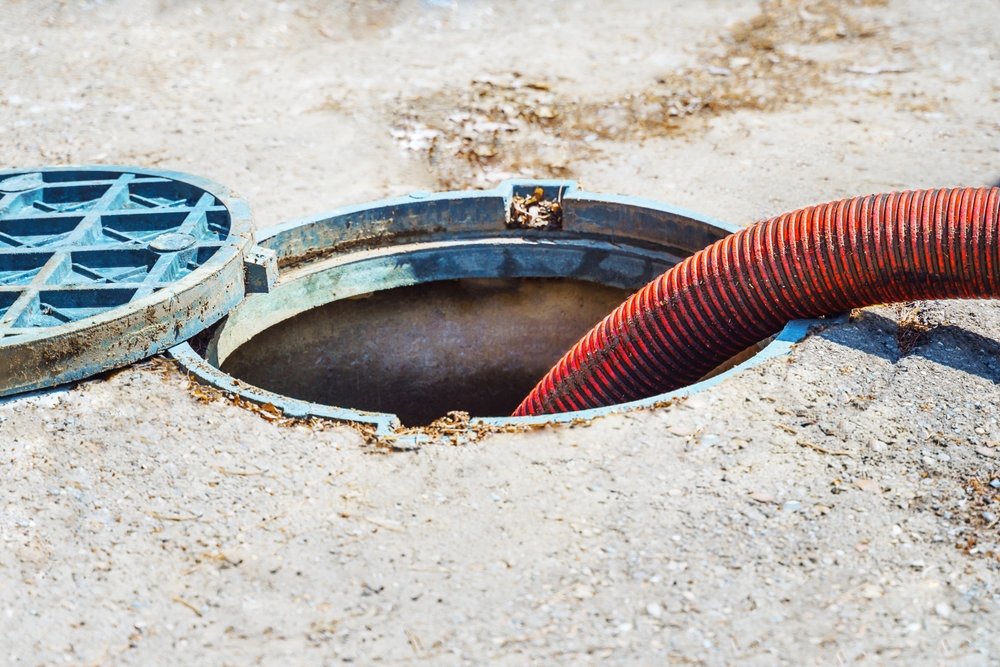
The Interstate 70 corridor stretches through Eastern Colorado as a vital commercial artery, connecting Denver to the eastern plains and beyond. Thousands of businesses, from bustling restaurants to industrial operations, depend on reliable infrastructure to keep their operations flowing smoothly. One critical system that often gets overlooked is the commercial septic system. For establishments along this corridor, maintaining proper wastewater management through regular commercial septic pumping and industrial septic maintenance is essential to avoiding costly disruptions and environmental compliance issues.
The I-70 corridor encompasses communities like Strasburg and countless other towns that have grown into thriving business hubs. These municipalities support diverse commercial operations that generate significant wastewater volumes daily. Without proper maintenance and professional commercial septic pumping services, businesses risk facing shutdowns, fines, and damage to their reputation. Understanding the unique challenges of septic management in this region is crucial for any business owner looking to maintain continuous operations.
Commercial Septic Systems Along the Corridor
Commercial septic systems differ significantly from residential systems, particularly in terms of capacity, complexity, and regulatory requirements. Businesses located along the I-70 corridor must comply with both state and local environmental regulations, which mandate regular inspections and maintenance schedules. The system must handle not only restroom waste but also greywater from sinks, showers, and other fixtures specific to each business type.
For many establishments, the septic tank serves as the primary treatment system before wastewater enters the drain field or is properly disposed of through other approved methods. The system relies on bacterial action to break down solids and reduce the overall waste volume. However, when solids accumulate faster than they can decompose, the tank reaches capacity and requires professional commercial septic pumping to maintain functionality.
The soil conditions throughout Eastern Colorado present specific challenges for septic system design and maintenance. The region’s clay-heavy soil composition can impact drain field performance and percolation rates. Professional septic service providers familiar with the I-70 corridor understand these regional soil characteristics and can provide targeted maintenance strategies tailored to local conditions.
The Critical Role of Restaurant Grease Trap Cleaning
Restaurants and food service establishments represent some of the most challenging commercial operations for septic system management. These businesses generate significant volumes of grease, oils, and food waste that can overwhelm standard septic systems if not managed properly. For restaurants operating along the I-70 corridor, implementing a comprehensive restaurant grease trap cleaning schedule is absolutely essential.
Grease and oils do not break down like organic matter in traditional septic tanks. Instead, they accumulate and form blockages that restrict water flow and create backup situations. When grease accumulates in pipes and drain fields, it hardens and becomes extremely difficult to remove. This accumulation can lead to system failures that shut down restaurant operations and create significant financial losses.
Professional restaurant grease trap cleaning services use specialized equipment and techniques to remove accumulated grease and prevent blockages. These services typically include high-pressure jetting, grease trap pumping, and thorough cleaning of all associated piping. The frequency of restaurant grease trap cleaning depends on the volume of cooking operations, with busy establishments requiring service every one to two weeks.
Many restaurants in the I-70 corridor initially underestimate their grease management needs and delay professional service until problems develop. By that point, costly repairs may be necessary. Proactive restaurant grease trap cleaning is far more economical than emergency repairs and system replacements. Restaurants that maintain regular grease trap service avoid operational disruptions and maintain compliance with health department regulations.
Commercial Septic Pumping and Routine Maintenance
Regular commercial septic pumping forms the foundation of any preventive maintenance program for businesses along the I-70 corridor. The frequency of pumping depends on tank size, business type, and wastewater volume. Most commercial establishments require pumping every three to six months, though high-volume operations may need monthly service.
During a commercial septic pumping appointment, trained professionals use powerful vacuum trucks to extract accumulated solids from the tank. The process includes measuring sludge levels, inspecting the tank for damage, and removing the accumulated waste. Proper disposal of pumped waste at licensed facilities ensures environmental compliance and protects groundwater resources.
Professional pumping services go beyond simply emptying the tank. Technicians conduct visual inspections to identify potential problems early, such as cracks, leaks, or deteriorating baffles. These inspections can catch issues before they develop into expensive emergency repairs. Many septic service companies provide detailed inspection reports that help business owners track system performance over time.
For businesses in Strasburg and throughout the I-70 corridor, establishing a relationship with a qualified septic maintenance provider is invaluable. Regular service appointments create a documented maintenance history that demonstrates compliance with environmental regulations and protects the business if regulatory agencies conduct inspections.
Industrial Septic Maintenance for Large-Scale Operations
Large industrial facilities along the I-70 corridor often operate septic systems on a scale far beyond typical commercial applications. Manufacturing plants, processing facilities, and distribution centers generate specialized waste streams that require sophisticated treatment approaches. For these operations, industrial septic maintenance represents a critical business function rather than a simple utility service.
Industrial septic maintenance may include pretreatment systems designed to remove specific contaminants before wastewater enters the main septic system. These might include grease separators, sand filters, aerobic treatment units, or chemical treatment systems. Each type of industrial operation generates unique waste characteristics that require specialized solutions.
The regulatory environment for industrial septic systems is particularly stringent, with ongoing monitoring and reporting requirements. Professional industrial septic maintenance providers stay current with all applicable regulations and help businesses maintain compliance. This expertise prevents costly violations and protects facilities from operational shutdowns due to non-compliance.
For large operations, industrial septic maintenance often includes emergency response capabilities. When system problems develop, these facilities cannot afford extended downtime. Experienced maintenance providers maintain rapid response protocols and keep equipment and supplies readily available for emergency situations.
Compliance and Environmental Responsibility in Eastern Colorado
Eastern Colorado communities, including those served by businesses along the I-70 corridor, depend on groundwater for drinking water and agricultural use. Proper commercial septic pumping and industrial septic maintenance protect these vital water resources from contamination. Business owners have both a legal obligation and an ethical responsibility to maintain their septic systems properly.
State regulations require regular inspections of commercial septic systems, with documentation maintained for regulatory review. Local health departments in communities throughout the I-70 corridor conduct routine inspections to verify compliance. Businesses that neglect proper maintenance risk significant penalties and potential operation suspension.
Environmental responsibility extends beyond legal compliance. Failing septic systems can contaminate soil and groundwater, affecting entire communities. Business owners who invest in proper maintenance demonstrate commitment to their local environment and community wellbeing. This commitment also enhances business reputation, as customers increasingly prefer establishments that demonstrate environmental responsibility.
Professional septic service providers in the I-70 corridor understand the regulatory landscape and help businesses navigate complex compliance requirements. They maintain current knowledge of changing regulations and ensure that maintenance practices meet all applicable standards.
Conclusion
Commercial septic pumping and proper industrial septic maintenance are not optional luxuries for businesses along the I-70 corridor but rather essential investments in operational continuity and environmental stewardship. Whether operating restaurants requiring specialized restaurant grease trap cleaning or industrial facilities needing comprehensive septic system management, business owners must prioritize regular professional service. Companies throughout Strasburg, Eastern Colorado, and the entire I-70 corridor benefit from partnering with qualified septic maintenance providers who understand regional challenges and regulatory requirements. By maintaining proactive service schedules and addressing issues early, businesses protect their operations, comply with regulations, and contribute to environmental protection in their communities.
Need Septic Tank Service Near You?
If you’re looking for dependable, expert septic services in Strasburg or the surrounding areas, don’t hesitate to reach out to us at High Plains Sanitation Service. We’ve been proudly serving our community since 1959 as a family-owned and -operated business, and we’re here to ensure your septic system runs smoothly with top-notch pumping, cleaning, inspections, and even electrical support. Our NAWT certification and CPOW membership mean you can trust in the quality of our work—and your satisfaction is always our top priority. Give us a call today and let us show you the High Plains difference!