Skip to content
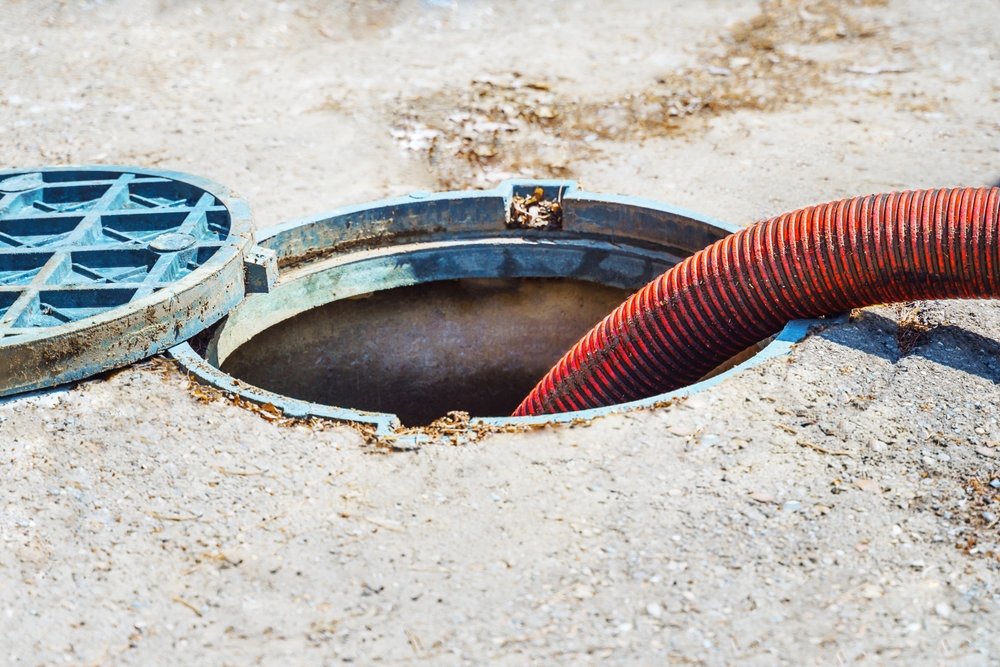
The Interstate 70 corridor stretches through Eastern Colorado as a vital commercial artery, connecting Denver to the eastern plains and beyond. Thousands of businesses, from bustling restaurants to industrial operations, depend on reliable infrastructure to keep their operations flowing smoothly. One critical system that often gets overlooked is the commercial septic system. For establishments along this corridor, maintaining proper wastewater management through regular commercial septic pumping and industrial septic maintenance is essential to avoiding costly disruptions and environmental compliance issues.
The I-70 corridor encompasses communities like Strasburg and countless other towns that have grown into thriving business hubs. These municipalities support diverse commercial operations that generate significant wastewater volumes daily. Without proper maintenance and professional commercial septic pumping services, businesses risk facing shutdowns, fines, and damage to their reputation. Understanding the unique challenges of septic management in this region is crucial for any business owner looking to maintain continuous operations.
Commercial Septic Systems Along the Corridor
Commercial septic systems differ significantly from residential systems, particularly in terms of capacity, complexity, and regulatory requirements. Businesses located along the I-70 corridor must comply with both state and local environmental regulations, which mandate regular inspections and maintenance schedules. The system must handle not only restroom waste but also greywater from sinks, showers, and other fixtures specific to each business type.
For many establishments, the septic tank serves as the primary treatment system before wastewater enters the drain field or is properly disposed of through other approved methods. The system relies on bacterial action to break down solids and reduce the overall waste volume. However, when solids accumulate faster than they can decompose, the tank reaches capacity and requires professional commercial septic pumping to maintain functionality.
The soil conditions throughout Eastern Colorado present specific challenges for septic system design and maintenance. The region’s clay-heavy soil composition can impact drain field performance and percolation rates. Professional septic service providers familiar with the I-70 corridor understand these regional soil characteristics and can provide targeted maintenance strategies tailored to local conditions.
The Critical Role of Restaurant Grease Trap Cleaning
Restaurants and food service establishments represent some of the most challenging commercial operations for septic system management. These businesses generate significant volumes of grease, oils, and food waste that can overwhelm standard septic systems if not managed properly. For restaurants operating along the I-70 corridor, implementing a comprehensive restaurant grease trap cleaning schedule is absolutely essential.
Grease and oils do not break down like organic matter in traditional septic tanks. Instead, they accumulate and form blockages that restrict water flow and create backup situations. When grease accumulates in pipes and drain fields, it hardens and becomes extremely difficult to remove. This accumulation can lead to system failures that shut down restaurant operations and create significant financial losses.
Professional restaurant grease trap cleaning services use specialized equipment and techniques to remove accumulated grease and prevent blockages. These services typically include high-pressure jetting, grease trap pumping, and thorough cleaning of all associated piping. The frequency of restaurant grease trap cleaning depends on the volume of cooking operations, with busy establishments requiring service every one to two weeks.
Many restaurants in the I-70 corridor initially underestimate their grease management needs and delay professional service until problems develop. By that point, costly repairs may be necessary. Proactive restaurant grease trap cleaning is far more economical than emergency repairs and system replacements. Restaurants that maintain regular grease trap service avoid operational disruptions and maintain compliance with health department regulations.
Commercial Septic Pumping and Routine Maintenance
Regular commercial septic pumping forms the foundation of any preventive maintenance program for businesses along the I-70 corridor. The frequency of pumping depends on tank size, business type, and wastewater volume. Most commercial establishments require pumping every three to six months, though high-volume operations may need monthly service.
During a commercial septic pumping appointment, trained professionals use powerful vacuum trucks to extract accumulated solids from the tank. The process includes measuring sludge levels, inspecting the tank for damage, and removing the accumulated waste. Proper disposal of pumped waste at licensed facilities ensures environmental compliance and protects groundwater resources.
Professional pumping services go beyond simply emptying the tank. Technicians conduct visual inspections to identify potential problems early, such as cracks, leaks, or deteriorating baffles. These inspections can catch issues before they develop into expensive emergency repairs. Many septic service companies provide detailed inspection reports that help business owners track system performance over time.
For businesses in Strasburg and throughout the I-70 corridor, establishing a relationship with a qualified septic maintenance provider is invaluable. Regular service appointments create a documented maintenance history that demonstrates compliance with environmental regulations and protects the business if regulatory agencies conduct inspections.
Industrial Septic Maintenance for Large-Scale Operations
Large industrial facilities along the I-70 corridor often operate septic systems on a scale far beyond typical commercial applications. Manufacturing plants, processing facilities, and distribution centers generate specialized waste streams that require sophisticated treatment approaches. For these operations, industrial septic maintenance represents a critical business function rather than a simple utility service.
Industrial septic maintenance may include pretreatment systems designed to remove specific contaminants before wastewater enters the main septic system. These might include grease separators, sand filters, aerobic treatment units, or chemical treatment systems. Each type of industrial operation generates unique waste characteristics that require specialized solutions.
The regulatory environment for industrial septic systems is particularly stringent, with ongoing monitoring and reporting requirements. Professional industrial septic maintenance providers stay current with all applicable regulations and help businesses maintain compliance. This expertise prevents costly violations and protects facilities from operational shutdowns due to non-compliance.
For large operations, industrial septic maintenance often includes emergency response capabilities. When system problems develop, these facilities cannot afford extended downtime. Experienced maintenance providers maintain rapid response protocols and keep equipment and supplies readily available for emergency situations.
Compliance and Environmental Responsibility in Eastern Colorado
Eastern Colorado communities, including those served by businesses along the I-70 corridor, depend on groundwater for drinking water and agricultural use. Proper commercial septic pumping and industrial septic maintenance protect these vital water resources from contamination. Business owners have both a legal obligation and an ethical responsibility to maintain their septic systems properly.
State regulations require regular inspections of commercial septic systems, with documentation maintained for regulatory review. Local health departments in communities throughout the I-70 corridor conduct routine inspections to verify compliance. Businesses that neglect proper maintenance risk significant penalties and potential operation suspension.
Environmental responsibility extends beyond legal compliance. Failing septic systems can contaminate soil and groundwater, affecting entire communities. Business owners who invest in proper maintenance demonstrate commitment to their local environment and community wellbeing. This commitment also enhances business reputation, as customers increasingly prefer establishments that demonstrate environmental responsibility.
Professional septic service providers in the I-70 corridor understand the regulatory landscape and help businesses navigate complex compliance requirements. They maintain current knowledge of changing regulations and ensure that maintenance practices meet all applicable standards.
Conclusion
Commercial septic pumping and proper industrial septic maintenance are not optional luxuries for businesses along the I-70 corridor but rather essential investments in operational continuity and environmental stewardship. Whether operating restaurants requiring specialized restaurant grease trap cleaning or industrial facilities needing comprehensive septic system management, business owners must prioritize regular professional service. Companies throughout Strasburg, Eastern Colorado, and the entire I-70 corridor benefit from partnering with qualified septic maintenance providers who understand regional challenges and regulatory requirements. By maintaining proactive service schedules and addressing issues early, businesses protect their operations, comply with regulations, and contribute to environmental protection in their communities.
Need Septic Tank Service Near You?
If you’re looking for dependable, expert septic services in Strasburg or the surrounding areas, don’t hesitate to reach out to us at High Plains Sanitation Service. We’ve been proudly serving our community since 1959 as a family-owned and -operated business, and we’re here to ensure your septic system runs smoothly with top-notch pumping, cleaning, inspections, and even electrical support. Our NAWT certification and CPOW membership mean you can trust in the quality of our work—and your satisfaction is always our top priority. Give us a call today and let us show you the High Plains difference!
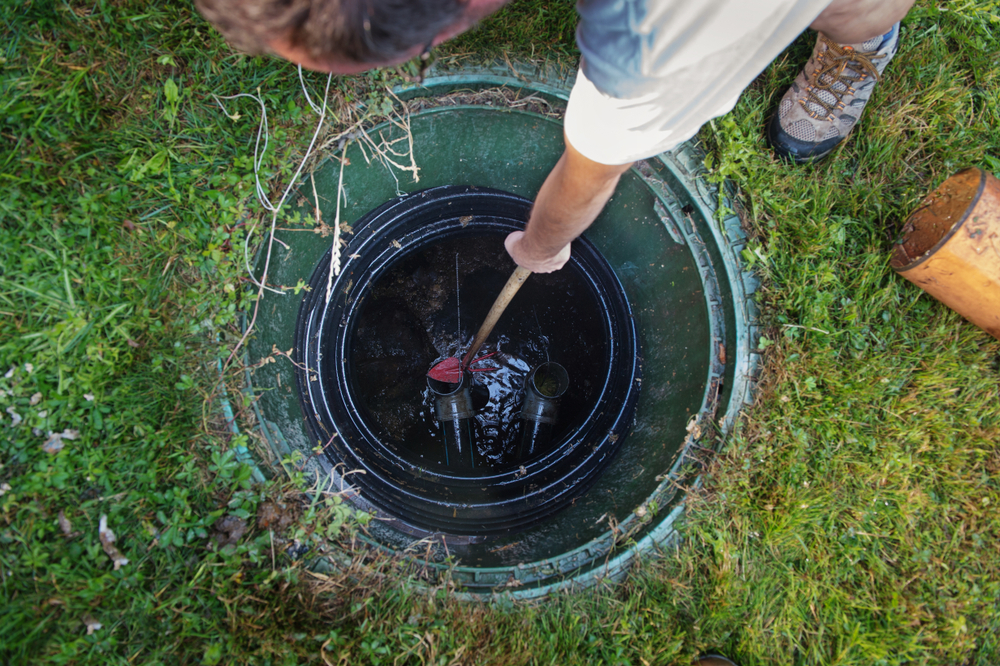
If you live in Strasburg, CO or the broader Eastern Colorado region, chances are your home relies on a septic system. While septic systems offer reliable wastewater treatment away from municipal sewer lines, they come with a unique set of responsibilities. A major part of that responsibility is knowing what can you flush with a septic system and, perhaps more importantly, what you should never send down your drains. Missteps in this area are among the leading causes of septic system failure, which can be both messy and costly.
This guide is designed to help homeowners in Strasburg and surrounding Eastern Colorado communities make informed decisions that protect their investment and preserve the longevity of their septic systems. From choosing septic safe products to avoiding everyday items that wreak havoc underground, here’s everything you need to know.
Understanding Your Septic System
To know what can safely be flushed, it helps to understand how a septic system works. Unlike municipal sewer systems, which transport waste to a central treatment facility, a septic system handles all the treatment on-site. Wastewater from your home flows into a septic tank, where solids settle to the bottom and scum floats to the top. The remaining liquid, known as effluent, exits into a drain field for further filtration by the soil.
The system relies heavily on natural bacteria to break down waste. Anything that disrupts this process or clogs the system can lead to backups, foul odors, and expensive repairs. Strasburg and other Eastern Colorado homeowners must pay special attention to what enters their tanks to ensure optimal septic system care.
What You Can Flush With a Septic System
Generally speaking, the only things that should ever go down your toilet are human waste and toilet paper. Even then, it’s important to use toilet paper that is labeled as septic safe. These products are designed to break down quickly, reducing the risk of clogs or build-up in your septic tank.
Septic safe products go beyond toilet paper. There are septic-approved cleaning agents and soaps that are free from harsh chemicals like bleach or ammonia. These products help maintain the bacterial balance within your system. Some laundry detergents and dishwasher soaps also carry the septic safe label and should be used in households with septic tanks.
Water-based household cleaners, vinegar, and baking soda are all generally safe when used in moderation. These products are effective and non-disruptive to your tank’s bacterial activity. In short, the best approach to flushing with a septic system is to keep it as natural and minimal as possible.
What You Should Never Flush
Many homeowners in Strasburg, CO might unknowingly cause septic issues by flushing items that belong in the trash, not the toilet. One of the biggest culprits is so-called flushable wipes. Despite what the label says, these wipes do not break down in septic systems and can cause serious blockages. The same applies to baby wipes, makeup remover pads, and disinfectant wipes.
Feminine hygiene products, condoms, and cotton swabs should also be avoided. These materials do not decompose and often clog pipes and filters. Dental floss might seem harmless, but it is made of synthetic materials that can tangle with other waste and contribute to clogs.
Even food scraps, grease, and oils flushed through the kitchen sink or garbage disposal can disrupt your system. Coffee grounds, egg shells, and pasta may break down eventually, but they can cause blockages in the meantime. Also, avoid flushing prescription medications or chemicals, as these can kill beneficial bacteria in your tank and contaminate groundwater.
One item often overlooked is kitty litter, even the brands marketed as flushable. The granules can build up in pipes and septic tanks, leading to serious plumbing issues. These materials do not dissolve and are better disposed of in the trash.
Septic System Care Tips for Strasburg and Eastern Colorado Homes
Regular septic system care is essential, especially in areas like Eastern Colorado where dry seasons can stress systems further. Pumping your septic tank every three to five years is a good rule of thumb, but frequency can vary based on usage and household size. In Strasburg, local septic service professionals can inspect and advise you on the best maintenance schedule.
Water conservation also plays a big role in keeping your septic system healthy. Too much water entering the tank can overload the system and prevent proper separation of solids and liquids. Fix leaking faucets and toilets promptly, and consider installing low-flow fixtures to reduce water usage.
Be mindful of what goes into your drains. Use septic safe products exclusively and avoid antibacterial soaps and harsh chemical cleaners. These can disrupt the natural bacterial balance in your tank. Instead, choose biodegradable and phosphate-free alternatives.
It is also important to protect your drain field. Do not park vehicles or place heavy equipment over it, and avoid planting trees nearby. Deep roots can penetrate and damage pipes. Proper landscaping and drainage around the area can prevent flooding and improve the system’s performance.
Choosing the Right Septic Service in Eastern Colorado
Whether you’re dealing with a backed-up system or simply looking for routine maintenance, working with an experienced septic service provider is essential. In Strasburg and the surrounding areas, choosing a local company familiar with regional soil types, climate patterns, and regulations is a smart move.
Look for companies that offer comprehensive septic services, from septic pumping and inspection to repairs and upgrades. Make sure they are licensed and insured, and don’t be afraid to ask about their experience with homes similar to yours. An experienced technician can also help you identify septic safe products and answer questions about your system’s capacity and maintenance needs.
Customer reviews and word-of-mouth recommendations are invaluable in small communities like Strasburg. Talk to neighbors or check local online forums to find trusted service providers who understand the unique challenges of Eastern Colorado living.
Conclusion
Owning a home with a septic system in Strasburg or anywhere in Eastern Colorado comes with specific responsibilities, particularly when it comes to what you flush. By understanding what can you flush with a septic system, using only septic safe products, and committing to regular septic system care, you can avoid unnecessary breakdowns and expensive repairs.
Your septic system is a vital part of your home. With mindful practices and a proactive approach to maintenance, it can serve you well for decades. If in doubt, remember the golden rule: when it comes to flushing, less is more. Stick to human waste and septic-safe toilet paper, and treat your tank like the living system it is. When problems do arise, reach out to a trusted Eastern Colorado septic service provider to get your system back on track quickly and safely.
Need Septic Tank Service Near You?
If you’re looking for dependable, expert septic services in Strasburg or the surrounding areas, don’t hesitate to reach out to us at High Plains Sanitation Service. We’ve been proudly serving our community since 1959 as a family-owned and -operated business, and we’re here to ensure your septic system runs smoothly with top-notch pumping, cleaning, inspections, and even electrical support. Our NAWT certification and CPOW membership mean you can trust in the quality of our work—and your satisfaction is always our top priority. Give us a call today and let us show you the High Plains difference!
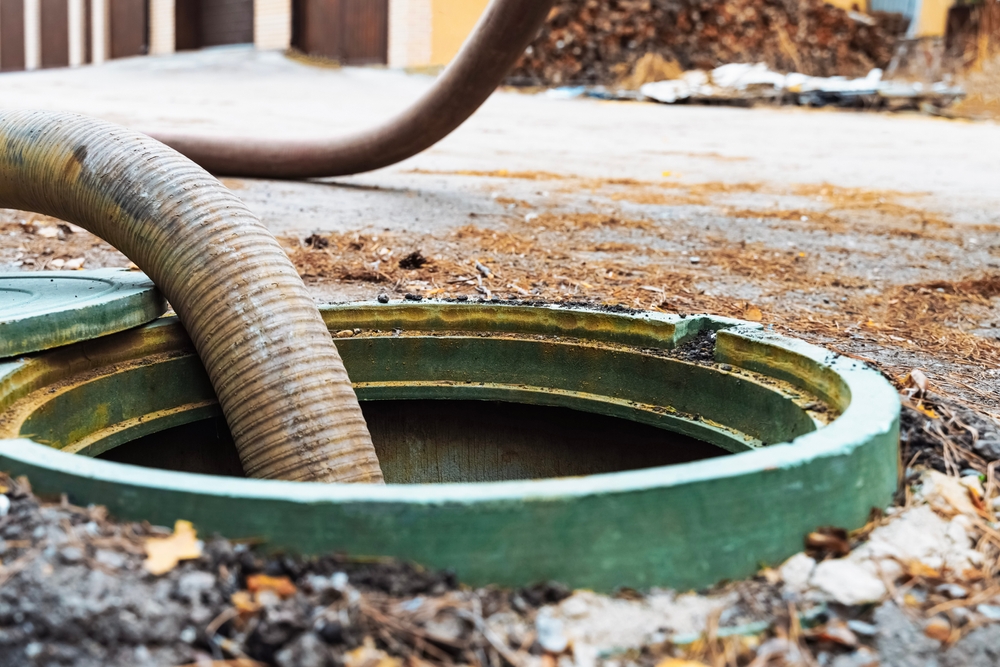
Homeowners living along Colorado’s I-70 corridor, especially in Strasburg, Bennett, and Byers, enjoy the open space, quiet surroundings, and expansive views of the plains. However, living in rural eastern Colorado also brings unique responsibilities, particularly when it comes to maintaining a healthy and functioning septic system. Unlike urban residents connected to centralized sewer systems, rural homeowners must ensure their septic systems are regularly inspected and serviced. Understanding the essentials of septic service and care in these areas can help avoid costly repairs and protect your property’s value.
Understanding Septic Systems in Rural Eastern Colorado
Septic systems are underground wastewater treatment structures, typically used in rural areas where centralized sewer systems are not available. These systems rely on a combination of natural processes and proven technology to treat wastewater from household plumbing. For homeowners in Strasburg, CO and neighboring communities like Bennett and Byers, these systems are vital components of daily life.
Rural septic system maintenance in eastern Colorado requires an understanding of how soil composition, weather patterns, and property layouts impact your system’s performance. The climate in this region features freeze-thaw cycles, heavy summer storms, and long dry spells, all of which can affect how efficiently your septic system functions. Ensuring your tank and drain field are in good shape means scheduling regular inspections, watching for signs of trouble, and hiring a septic company near you that understands local conditions.
Because many properties in Strasburg and surrounding areas rely solely on septic systems, local professionals are well-versed in the region’s specific requirements. They can help homeowners develop a maintenance plan that suits the size of the household, soil absorption rates, and the frequency of water usage.
Why Septic Tank Pumping Matters for Homeowners in Strasburg
One of the most essential tasks in septic service is septic tank pumping. Strasburg homeowners are encouraged to pump their tanks every three to five years, though this interval may be shorter depending on household size and water usage. The process involves removing the accumulated solids from the tank, preventing them from overflowing into the drain field, which could lead to backups or even complete system failure.
Failure to pump your tank regularly can result in sludge and scum layers building up beyond their recommended limits. When that happens, wastewater may not have enough time to properly separate and treat before flowing into the soil. This not only risks contamination of groundwater, but also damages the drain field, which can be extremely costly to repair or replace.
Residents in Strasburg, CO can benefit from working with a septic company near them that offers thorough inspections before and after pumping. This ensures any cracks, leaks, or signs of aging are detected early. Preventative care is often much less expensive than emergency repairs, especially for rural homes that may be far from immediate service providers.
Choosing the Right Septic Company Along the I-70 Corridor
If you’ve ever searched for a “septic company near me,” you know how important it is to find a provider that knows the area, understands the terrain, and is reliable in emergencies. For those living along the I-70 corridor, this is especially true. Small towns like Strasburg, Bennett, and Byers require septic professionals who can not only respond quickly, but also bring experience with the unique needs of rural septic systems.
The best providers offer a range of services, including routine inspections, septic tank pumping, drain field diagnostics, and even help with permitting and system upgrades. More importantly, they should have a solid understanding of the soil conditions found throughout the I-70 corridor. Soil type plays a key role in how wastewater is filtered and absorbed. Sandy soils, for instance, may drain too quickly, while heavy clay can lead to pooling and system saturation.
Trustworthy septic services in Bennett and Byers, CO often come from family-run or locally operated companies that have built long-standing relationships with homeowners in the region. These businesses often offer personalized customer service and flexible scheduling, which are essential when dealing with maintenance routines or unexpected issues. They also tend to be familiar with county health department guidelines and can assist with ensuring your system remains compliant.
Warning Signs and Preventative Maintenance
Septic systems don’t fail overnight. There are usually several warning signs that suggest something may be going wrong. Homeowners in Strasburg and nearby communities should stay alert for slow-draining sinks or tubs, gurgling sounds in plumbing, bad odors around the yard, or patches of unusually green grass above the drain field. These indicators often signal that the septic tank is full or that there’s a blockage or leak in the system.
Rural septic system maintenance in eastern Colorado should go beyond emergency response. Preventative maintenance, including annual inspections and proper household habits, is the key to long-term system health. Avoid flushing non-biodegradable items, harsh chemicals, or grease down your drains. These materials can disrupt the balance of bacteria in your tank or cause blockages that shorten your system’s lifespan.
Homeowners should also monitor how much water is used daily. Excess water can overwhelm the septic system, reducing its ability to treat wastewater effectively. Using water-efficient fixtures and spreading out laundry loads over several days can ease the burden on your septic tank. Collaborating with a septic service provider in Strasburg, CO will ensure you’re on a routine pumping and inspection schedule that’s right for your property.
Septic Services in Bennett and Byers: Local Solutions for Long-Term Results
For residents of Bennett and Byers, finding dependable septic services means seeking out providers who not only understand septic tank mechanics, but also the local zoning and environmental conditions. Since these communities are part of the greater eastern Colorado landscape, the same rural septic system challenges apply. What sets exceptional companies apart is their ability to tailor service plans for specific neighborhoods or properties.
Septic services in Bennett and Byers, CO often include more than just pumping and inspections. These companies frequently assist with installing new systems for growing households or properties that have undergone renovations. Additionally, they may help with real estate transactions, offering system evaluations before a home sale or purchase.
Homeowners in these towns should prioritize service providers who are licensed, insured, and have a strong track record with other rural residents. They should also look for companies that offer emergency response options. A septic issue doesn’t wait for regular business hours, and a quick response can mean the difference between a simple repair and thousands of dollars in property damage.
By establishing a relationship with a septic company near you, you can ensure consistent, high-quality care. Regular maintenance not only protects your investment but also supports the health of your surrounding environment by preventing untreated waste from reaching groundwater or nearby streams.
Conclusion
Septic service is not something rural homeowners can afford to neglect, especially in areas like Strasburg, Bennett, and Byers along the I-70 corridor. A properly maintained septic system is essential for daily life, environmental protection, and the long-term value of your property. Whether it’s routine septic tank pumping in Strasburg or full-service septic system installation in Bennett and Byers, having the right professionals on your side can make all the difference.
By staying informed, scheduling regular inspections, and working with trusted local experts, you can avoid costly surprises and ensure your system continues to function efficiently for years to come. Rural septic system maintenance in eastern Colorado may seem like a daunting task, but with the right approach, it becomes a manageable and rewarding part of homeownership.
Need Septic Tank Service Near You?
If you’re looking for dependable, expert septic services in Strasburg or the surrounding areas, don’t hesitate to reach out to us at High Plains Sanitation Service. We’ve been proudly serving our community since 1959 as a family-owned and -operated business, and we’re here to ensure your septic system runs smoothly with top-notch pumping, cleaning, inspections, and even electrical support. Our NAWT certification and CPOW membership mean you can trust in the quality of our work—and your satisfaction is always our top priority. Give us a call today and let us show you the High Plains difference!
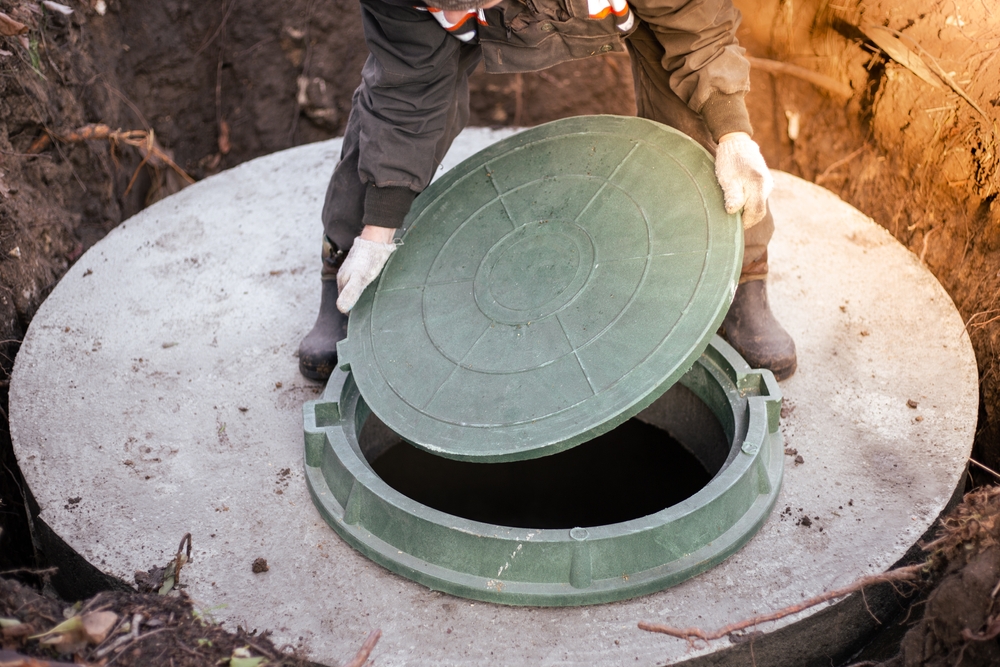
Owning a home with a septic system can feel overwhelming at first, especially if you’ve never lived outside a city before. If you’re a first time septic owner in Colorado, and you’ve recently purchased a home in the rural communities of Strasburg or Deer Trail, understanding how your septic system works is essential. This beginner’s guide will help you grasp the fundamentals of septic maintenance, inspections, and local services to keep your system in top condition for years to come.
How Septic Systems Work in Rural Colorado
In areas like Strasburg, CO and Deer Trail, municipal sewer systems are often unavailable, which means homes rely on septic systems to treat wastewater. At its core, a septic system consists of a septic tank and a drainfield (also called a leach field). Wastewater from your sinks, showers, and toilets flows into the septic tank, where solids settle to the bottom, forming sludge. Oils and grease float to the top, forming scum, while the liquid (effluent) flows into the drainfield for natural filtration through the soil.
For homeowners in eastern Colorado, understanding how septic systems work is crucial because dry climate, soil conditions, and rural water use habits can affect performance. Overloading the system with water, neglecting inspections, or allowing solids to build up can cause backups, groundwater contamination, and costly repairs.
Regular maintenance is not optional for a septic system. It is a necessity that protects both your home investment and the local environment. Knowing the role each component plays helps you make better choices about water use and waste disposal.
Septic Tank Inspection in Strasburg and Deer Trail: What to Expect
Septic tank inspection is one of the most important responsibilities for a first time septic owner. In Strasburg and Deer Trail, property owners should plan to have their septic systems professionally inspected at least every three years. If your system has mechanical components or an alternative design, annual inspections may be required.
During an inspection, a licensed septic service in Strasburg, CO will locate the tank, open the access ports, and check the sludge and scum levels. They will look for signs of wear, leaks, or structural damage. Inspectors may also assess the condition of the baffles (which prevent solids from entering the drainfield), check for odors, and evaluate the overall function of the system.
In Arapahoe and Elbert counties, inspections may also be required during real estate transactions. So if you’ve recently moved to the area or are considering selling your property in the future, staying up to date with inspections keeps you compliant with local health regulations and helps you avoid unexpected problems.
Remember, an inspection is not the same as pumping. Both are necessary but serve different purposes. Inspections identify issues, while pumping removes the sludge and scum buildup to keep the system operating efficiently.
Septic Pumping and Inspection Near Strasburg: How Often and Why It Matters
Many new homeowners wonder how often septic tanks need to be pumped. The answer varies depending on the size of your tank, the number of people in your household, and your daily water usage. For most households in Strasburg and Deer Trail, septic pumping is recommended every 3 to 5 years.
If you search for septic pumping and inspection near Strasburg, you’ll find a number of reputable companies that provide these essential services. When scheduling, make sure the provider is licensed, experienced, and familiar with local soil conditions. Eastern Colorado’s semi-arid environment means that improper maintenance can result in more rapid drainfield failure compared to other regions.
Delaying pumping too long leads to excessive sludge buildup. When this happens, solids can escape into the drainfield, clogging it and potentially causing permanent damage. Drainfield replacements can be costly and disruptive, so routine pumping is one of the most effective ways to extend your system’s lifespan.
Homeowners should also keep a maintenance record, documenting inspection dates, pumping intervals, and any repairs made. This not only helps with scheduling but can be valuable when selling your home or filing for county permits.
Rural Property Septic System Tips for Eastern Colorado Homeowners
Living in rural eastern Colorado comes with many rewards: space, privacy, and a closer connection to nature. However, it also means taking on responsibilities that city dwellers rarely think about. Septic systems are one of those key systems that require diligence and care.
First, conserve water wherever possible. Excess water can overload your septic system. Avoid doing multiple loads of laundry in one day, and space out high-water activities to give your tank time to settle and process. Fix leaky faucets and toilets promptly.
Next, be mindful of what goes down your drains. Only human waste and toilet paper should be flushed. Do not pour grease, harsh chemicals, coffee grounds, or wipes (even those labeled “flushable”) into your system. These materials can disrupt the bacteria in your tank or clog pipes.
Also, never park vehicles or build structures over your septic tank or drainfield. The weight can damage pipes, and you need easy access to the tank for inspections and pumping. Keep trees and shrubs at a distance, as roots can invade and crack septic lines.
Eastern Colorado’s dry winters and sudden rainstorms can cause soil to shift. After significant weather events, check the ground over your drainfield for unusual wet spots or odors, which may signal a problem.
Choosing a Licensed Septic Service in Strasburg, CO
When it comes time to schedule maintenance or repairs, hiring a licensed septic service in Strasburg, CO is essential. Licensed professionals are trained to assess, repair, and maintain your system according to local codes and environmental standards. They are also equipped to handle emergency situations, like backups or drainfield failures.
Before hiring a company, ask for proof of licensing and insurance. A good service provider should be willing to explain your system’s condition, offer maintenance recommendations, and provide a written report after inspections. Reading customer reviews and asking neighbors for referrals can help you choose a reliable contractor.
If you are a first time septic owner, developing a relationship with a trusted local provider gives you peace of mind. You’ll know who to call when something goes wrong, and they’ll already be familiar with your system’s history and setup.
Some providers also offer maintenance plans that include regular inspections and discounted pumping services. This can be a smart investment to ensure long-term system health.
Conclusion
Becoming a first time septic owner in Colorado, especially in rural towns like Strasburg and Deer Trail, comes with a learning curve. Understanding how septic systems work, staying on top of septic tank inspection and pumping, and working with a licensed septic service in Strasburg, CO are all essential steps to protect your home and your land.
Your septic system is a hidden but critical part of your property’s infrastructure. With the right knowledge and proactive maintenance, you can ensure it functions efficiently for decades. Treat your system with care, plan regular service, and stay informed about local requirements.
Eastern Colorado offers a beautiful, spacious lifestyle, and maintaining a healthy septic system is just one part of living responsibly in this environment. Use this guide to stay ahead of potential issues and enjoy the benefits of your rural home worry-free.
Need Septic Tank Service Near You?
If you’re looking for dependable, expert septic services in Strasburg or the surrounding areas, don’t hesitate to reach out to us at High Plains Sanitation Service. We’ve been proudly serving our community since 1959 as a family-owned and -operated business, and we’re here to ensure your septic system runs smoothly with top-notch pumping, cleaning, inspections, and even electrical support. Our NAWT certification and CPOW membership mean you can trust in the quality of our work—and your satisfaction is always our top priority. Give us a call today and let us show you the High Plains difference!
If you live in a rural area or a property that isn’t connected to a municipal sewage system, chances are you rely on a septic system to handle wastewater. While this method of waste management is efficient and eco-friendly, it also requires consistent attention to remain functional. One of the most crucial aspects of caring for your septic system is regular pumping.
Septic pumping is the process of removing sludge and buildup from your septic tank. Over time, solid waste settles at the bottom of the tank while scum floats to the top. If not routinely pumped, these materials can overflow into the drain field, leading to blockages, backups, and costly damage. Homeowners in places like Strasburg, CO understand how vital it is to keep up with septic pumping, especially with seasonal weather changes that can place additional stress on the system.
When a septic system is pumped at appropriate intervals, usually every three to five years depending on usage, it continues to perform optimally throughout the year. Neglecting this simple service can lead to severe disruptions and expensive repairs. In Colorado, where winters can be harsh and unpredictable, the last thing any homeowner wants is to deal with a septic backup in the dead of January.
Preventing Unexpected System Failures
Nothing disrupts a home quite like a septic failure. The smell, the mess, and the inconvenience are enough to ruin your week. Thankfully, this type of disaster is entirely preventable with a regular septic maintenance schedule. Homeowners in communities such as Bennett, CO often make septic tank cleaning a routine part of their home care, recognizing that proactive service can prevent reactive stress.
By removing sludge before it reaches critical levels, you maintain proper flow through the tank and into the drain field. The drain field plays an essential role in filtering water and returning it to the groundwater system. If solids begin to clog this area, it not only damages the system but poses a significant health risk to your family and the environment. Regular pumping reduces the chance of this occurring and keeps everything running smoothly, even during periods of heavy use, such as holidays or family gatherings.
In addition to pumping, professional septic tank cleaning ensures that any grease, soap residue, or non-biodegradable materials that may have entered the system are removed. These materials can interfere with the natural bacterial balance in your tank, which is necessary to break down waste effectively. Bennett, CO residents who routinely clean their tanks often report fewer issues and longer system lifespans.
The Role of Septic Inspections in System Health
While pumping is a core part of septic care, it should be paired with routine septic inspection to get a complete picture of your system’s condition. A septic inspection can uncover developing issues before they become costly repairs. For homeowners in Byers, CO, annual inspections are a smart way to catch signs of corrosion, leaks, or drain field failure.
During an inspection, a trained professional will assess the tank’s sludge and scum levels, check for cracks or structural issues, and test the system’s function. This is also a perfect time to identify if more frequent pumping is necessary based on household usage patterns. For example, a family of five will fill a tank much faster than a retired couple.
The terrain and soil type in Colorado also influence how often your system should be checked. In wetter months, overly saturated soil can inhibit drainage, leading to potential overflows. Septic inspections are not just about current system status but also help forecast future needs. This foresight allows for strategic maintenance, rather than emergency repairs.
In areas like Byers, CO, where some properties may have aging septic systems, inspections become even more critical. They serve as an early warning system, alerting homeowners to minor issues before they escalate. Combined with regular pumping, inspections form the backbone of a comprehensive maintenance routine.
Long-Term Benefits of Regular Septic Maintenance
The value of regular septic maintenance in Colorado cannot be overstated. It is a form of preventative care that not only protects your property but also saves you money in the long run. Think of it like changing the oil in your car. You wouldn’t wait until the engine seizes before getting an oil change, and the same principle applies to your septic system.
One of the biggest benefits of consistent maintenance is the extended lifespan of your septic tank and drain field. A well-maintained system can last decades, while neglected ones may fail in just a few years. Additionally, regular septic pumping and inspection mean fewer emergencies and less stress. You avoid unpleasant surprises like sewage backups, foul odors, and costly restoration work.
There’s also an environmental benefit. When your system functions as intended, it filters and returns clean water to the earth. A compromised system, however, may leach harmful waste into nearby water sources or property. This not only poses a risk to local wildlife but can also contaminate well water, especially in rural communities.
In Colorado, where many homes are built on acreage with private wells, regular septic maintenance is as much about health and safety as it is about convenience. It’s a simple step that ensures your home remains clean, efficient, and eco-friendly.
Avoiding Septic Backups Year-Round
Septic backups are not only disgusting but incredibly disruptive. Overflowing toilets, standing water in your yard, and foul smells inside your home are all symptoms of a serious issue. Fortunately, these nightmares are avoidable through routine care and attention. Avoiding septic backups in Colorado starts with being proactive.
In climates that see freezing temperatures, like much of Colorado in winter, backups can be even more problematic. A frozen line or overfilled tank can spell disaster, making pumping before winter a wise decision. Many homeowners in Strasburg, CO choose to schedule septic pumping in the fall to prepare for the cold months ahead. This preemptive step ensures their system won’t become a frozen, overflowing headache.
Year-round maintenance also means being mindful of what goes down your drains. Items like wipes, sanitary products, grease, and harsh chemicals can wreak havoc on your tank. While proper habits go a long way, they cannot replace the need for periodic pumping and professional service.
Spring and summer are ideal times to inspect and clean your system, especially if you’ve had a busy season with guests or large household events. In addition, scheduling service outside of peak emergency times often leads to faster appointments and better pricing. Maintaining a consistent service schedule ensures that you are always ahead of problems, regardless of the season.
Conclusion
Caring for your septic system is not something to put off or ignore. With proper planning and regular service, you can enjoy a healthy, efficient system that works reliably throughout the year. Septic pumping in Strasburg, CO is not just a recommended service; it’s a necessity for homeowners who want to protect their investment and avoid the stress of emergency repairs.
Septic tank cleaning in Bennett, CO, and septic inspections in Byers, CO are equally essential parts of the broader maintenance picture. Together, they ensure your system remains clean, functional, and environmentally safe. Regular septic maintenance in Colorado offers peace of mind, knowing that your home is protected from backups, failures, and expensive surprises.
Whether you’re preparing for the freeze of winter or the activity of summer, sticking to a consistent schedule will always serve you well. Don’t wait until there’s a problem. Prioritize maintenance, pump your tank regularly, and trust local professionals to keep your system running at its best. With a little care, your septic system will serve your household faithfully for many years to come.
Need Septic Tank Service Near You?
If you’re looking for dependable, expert septic services in Strasburg or the surrounding areas, don’t hesitate to reach out to us at High Plains Sanitation Service. We’ve been proudly serving our community since 1959 as a family-owned and -operated business, and we’re here to ensure your septic system runs smoothly with top-notch pumping, cleaning, inspections, and even electrical support. Our NAWT certification and CPOW membership mean you can trust in the quality of our work—and your satisfaction is always our top priority. Give us a call today and let us show you the High Plains difference!