Preparing Your Septic System for Eastern Colorado Winters: A Strasburg Homeowner’s Guide
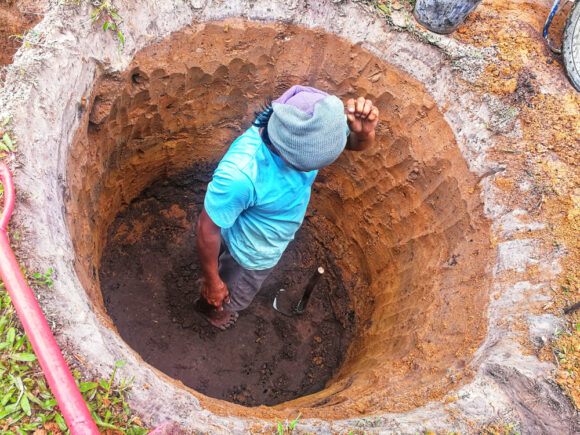
Man,digging,a,hole,for,septic,tank

Eastern Colorado winters are no joke. When temperatures drop below freezing and snow settles across Strasburg, Deer Trail, and Bennett, your home’s plumbing and septic system face serious stress. While most homeowners remember to winterize sprinkler systems and protect exposed pipes, septic systems are often overlooked until something goes wrong.

A frozen septic line is more than an inconvenience. It can lead to slow drains, unpleasant odors, sewage backups, and costly emergency repairs at the worst possible time. The good news is that with the right preparation and local expertise, septic tank freeze prevention in Strasburg, CO, is absolutely manageable.

For more than 65 years, experienced septic professionals in Eastern Colorado have worked specifically with the region’s challenging soil conditions, fluctuating moisture levels, and deep freezes. Understanding how local climate affects underground systems is critical. Here is what every homeowner should know about winter septic maintenance in Adams County and how to avoid frozen septic pipes in Colorado.

Why Eastern Colorado Winters Are Tough on Septic Systems

Colorado’s Front Range and Eastern Plains experience dramatic temperature swings. A sunny 50 degree afternoon can quickly turn into a single-digit overnight freeze. These fluctuations impact the ground, especially in rural communities like Strasburg and Bennett where septic systems are common.

Septic systems rely on biological activity within the tank to break down waste. That process generates a small amount of heat. When the system is used consistently, warm wastewater helps maintain temperature stability in the tank and lines. However, during extended cold snaps or periods of low water use, temperatures in the soil can drop enough to freeze pipes or even portions of the tank.

Adams County soil often contains clay and compacted layers that retain moisture. When saturated soil freezes, it expands and places additional pressure on septic lines. Combined with shallow pipe installation or insufficient insulation, this creates the perfect environment for freezing.

Preventing frozen septic pipes in Colorado starts with understanding these local factors. Homeowners who proactively prepare before winter arrives are far less likely to face mid-season emergencies.

Common Signs Your Septic System Is at Risk of Freezing

Frozen septic components rarely happen without warning. In many cases, small performance issues appear first. You might notice drains emptying more slowly than usual. Toilets may flush sluggishly. Gurgling sounds can develop in pipes as wastewater struggles to move through partially frozen lines.

If freezing becomes more severe, wastewater may back up into sinks, tubs, or floor drains. Outdoor signs may include unusually wet or icy areas above the drain field where effluent cannot properly disperse.

It is important not to ignore these early symptoms. Winter septic maintenance in Adams County should include checking system performance before the coldest months arrive. If you suspect a problem, addressing it quickly can prevent a complete freeze.

Experienced septic professionals with decades of experience in Colorado’s harsh conditions understand how to diagnose and resolve early-stage freezing without causing damage to the system.

Practical Steps for Septic Tank Freeze Prevention in Strasburg, CO

Proactive preparation is the most effective way to avoid winter complications. One of the most important factors in septic tank freeze prevention in Strasburg, CO is maintaining consistent usage. Regular water flow helps keep the tank and lines warm enough to resist freezing.

Before winter sets in, schedule a septic inspection and pumping if needed. A full tank is more likely to freeze because solids reduce available liquid volume and slow bacterial activity. Pumping ensures the system operates efficiently during cold weather.

Insulation also plays a key role. Adding a layer of mulch, straw, or hay above the tank and drain field provides natural insulation. Avoid compacting snow over the system by driving vehicles across it. Compacted snow removes insulating air pockets and allows frost to penetrate deeper into the ground.

Repair leaking fixtures inside the home before winter. Dripping faucets can create small, continuous trickles that freeze more easily in exposed sections of pipe. At the same time, avoid introducing excessive water into the system in a short period, such as running multiple loads of laundry back to back. Controlled, consistent use is best.

Because Eastern Colorado soil varies greatly between properties, professional guidance is invaluable. Companies with 65 plus years of experience working in Strasburg and the surrounding areas understand how to tailor preventive strategies based on specific soil and drainage characteristics.

Addressing Frozen Septic Pipes Safely

If you suspect frozen septic pipes in Colorado, resist the urge to attempt do-it-yourself thawing methods. Open flames, electric heating cables, or harsh chemicals can damage pipes and create dangerous conditions.

Professional technicians use controlled methods to thaw lines safely without compromising structural integrity. Because septic systems are underground and interconnected, identifying the exact freeze point requires expertise and specialized equipment.

Long-standing septic companies familiar with Adams County winters know how frost lines shift year to year and how soil composition affects freezing depth. Their experience allows them to respond quickly and implement targeted solutions.

Beyond thawing, professionals will assess whether additional insulation, pipe adjustments, or drainage improvements are necessary to prevent recurrence. Quick response during winter reduces the likelihood of system-wide damage and costly repairs.

The Importance of Local Experience in Eastern Colorado

Septic systems in Florida or Arizona face very different challenges than those in Eastern Colorado. Local climate, soil type, and seasonal moisture patterns dramatically influence how systems perform.

For more than 65 years, seasoned septic professionals serving Strasburg, Deer Trail, and Bennett have navigated the region’s unpredictable winters. That longevity reflects a deep understanding of how Colorado’s soil shifts, how freeze cycles impact underground infrastructure, and how to design systems that withstand these stresses.

Experience matters because no two properties are identical. Some homes sit on sandy soil that drains quickly. Others rest on dense clay that holds moisture and increases freeze risk. Elevation changes, groundwater levels, and system age all factor into winter performance.

When homeowners prioritize winter septic maintenance in Adams County with professionals who have decades of local experience, they gain peace of mind. The guidance is not generic. It is specific to Eastern Colorado conditions.

Protecting Your Home Before the First Hard Freeze

The best time to prepare your septic system is before temperatures drop consistently below freezing. Early fall inspections allow time to address minor issues without emergency pressure.

Septic tank freeze prevention in Strasburg, CO, is about planning, not reacting. Scheduling maintenance, adding insulation, and monitoring system performance are all manageable tasks when done proactively.

If your home is a seasonal property or if you plan extended travel during winter, consult a professional about strategies to maintain minimal water flow and protect the system while unoccupied.

Preventing frozen septic pipes in Colorado requires awareness and consistency. A well-maintained system can operate smoothly throughout even the coldest months when properly prepared.

Eastern Colorado winters will always bring challenges. However, with thoughtful planning and guidance from experts who understand the region’s harsh climate and soil conditions, your septic system can remain reliable year-round.

Homeowners in Strasburg, Deer Trail, and Bennett who invest in preventive care today can avoid costly emergencies tomorrow. When temperatures plunge and snow covers the plains, knowing your septic system is protected allows you to focus on enjoying the season rather than worrying about what lies beneath the surface.
Don’t Replace That Septic Tank Before You Ask: What to Know in Strasburg, CO & Arapahoe County

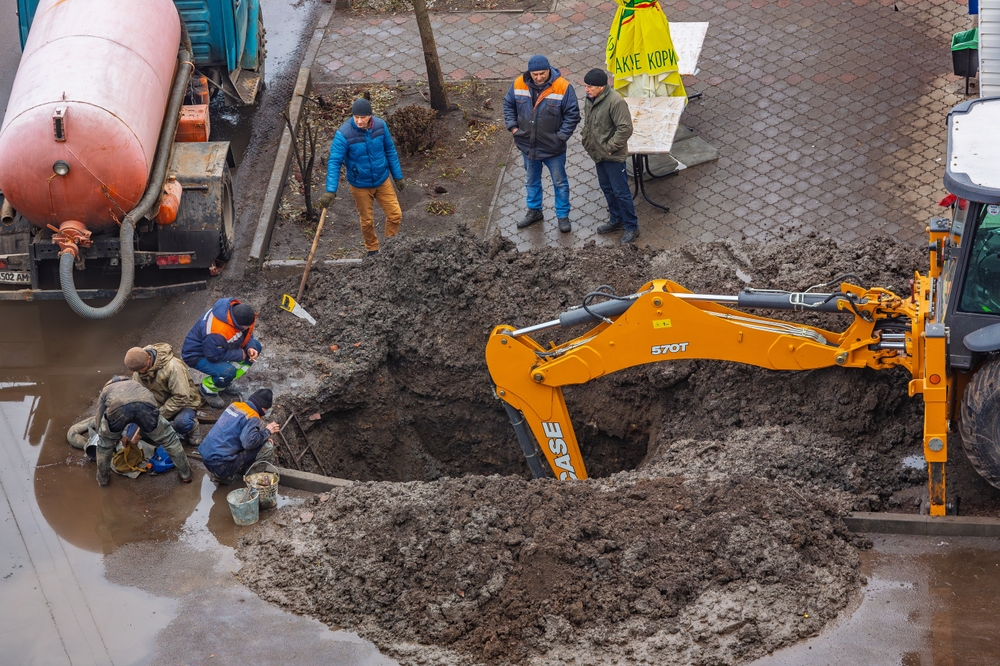
In Strasburg, CO and the surrounding areas of Arapahoe County, homeowners often find themselves facing a tough and costly decision—whether to repair or replace their septic tank. While septic systems are built to last, the high plains of eastern Colorado present unique challenges that can lead to premature wear or system failure. But before you rush into a full replacement, it’s critical to understand your options, the local conditions, and the subtle signs that help you determine the best course of action. Let’s explore how to navigate this decision wisely.

Understanding the Septic System Lifespan in Strasburg, CO

Septic systems in Strasburg, CO, Byers, and other rural communities in Arapahoe County are typically designed to last between 20 to 40 years. However, this lifespan can vary widely depending on factors like tank material, soil conditions, household size, and how well the system has been maintained over time. Local soil, often sandy or clay-heavy, can either help or hinder proper drainage. In areas with poor percolation, a tank may suffer from pressure-related failures or backflows, shortening its useful life.

It’s also important to recognize that weather plays a major role in septic system health. Strasburg winters can be harsh, with prolonged freezing temperatures that affect buried components. Repeated freeze-thaw cycles may damage pipes or the tank itself, especially if the system isn’t buried deep enough or lacks insulation. High groundwater levels during spring can also lead to flooding of the drain field, making it harder to distinguish between a temporary failure and a system in true need of replacement.

Before concluding that your tank has reached the end of its life, consider all these variables. A septic tank repair vs replacement discussion begins with an honest evaluation of these conditions—and a deep understanding of your local environment.

The True Value of Septic Inspections in Arapahoe County

If you’re unsure about the health of your septic system, the best starting point is a professional septic inspection. In Arapahoe County, inspections are not just a routine service; they are often required during real estate transactions or when applying for certain permits. However, even outside of regulatory mandates, scheduling a thorough septic inspection every three to five years is a smart move.

An inspection covers multiple components of the system: the tank, baffles, lid, inlet and outlet pipes, and the drain field. Professionals use tools like video scoping and hydrostatic pressure testing to identify cracks, clogs, or structural weaknesses. These issues are not always visible or obvious to the untrained eye but can provide insight into whether repairs will suffice or if a replacement is imminent.

Moreover, in rural communities like Strasburg and Byers, septic inspections offer another advantage: peace of mind. Many homeowners in these areas rely on well water, which can be easily contaminated by septic leaks. Catching small issues early with regular inspections helps protect both your property and your health. The relatively low cost of a septic inspection is well worth the savings and safety it can deliver in the long run.

Repairing vs. Replacing: The Financial and Environmental Factors

When you face septic system issues, the first impulse may be to assume the worst and budget for a replacement. But understanding the cost and impact of each option reveals that repairs are often more viable—and sensible—than they initially appear.

A full replacement in Arapahoe County can cost anywhere from $8,000 to $25,000, depending on the size of the system, the terrain, and the complexity of installation. In contrast, common repairs such as pipe patching, baffle replacement, or tank resealing may cost only a fraction of that—typically between $300 and $3,000. For homeowners in Strasburg and Byers, CO, where many properties sit on larger rural lots, access for excavation equipment is often simpler, which can reduce both labor time and cost.

Environmentally, choosing repair over replacement can also be the more responsible option. Replacing a tank often requires digging up large sections of your property, potentially disturbing the local ecosystem, damaging mature trees, and affecting soil health. Repairs can be more targeted, reducing land disruption and minimizing the system’s carbon footprint.

Still, there are limits to what repairs can achieve. If your tank is showing signs of complete structural failure—such as collapsing walls, persistent sewage backups, or major drain field failure—it may be time to seriously consider replacement. Yet even in these cases, a well-informed septic contractor can often suggest partial upgrades that extend your system’s life without full replacement.

When to Replace a Septic Tank in Byers, CO and Nearby Areas

The decision of when to replace a septic tank is never simple, but there are definitive warning signs that should not be ignored. Homeowners in Byers, CO, and the greater Strasburg area should watch for recurring problems that resist repair, such as persistent wet patches near the drain field, sewage odors in the yard, or gurgling drains inside the home.

Another major red flag is a tank that requires frequent pumping—more than once every year or two. While some pumping frequency can be normal for larger households, excessive buildup of sludge could indicate that the system is no longer functioning properly. If the tank is receiving more solids than it can process, either due to design limitations or structural issues, replacing it might be the only long-term solution.

Age is another factor. If your system is over 30 years old and made of steel or older concrete, it may simply be out of time. Steel tanks, in particular, are prone to rust and eventual collapse. In this case, replacement isn’t just about performance—it’s about safety. Collapsed septic tanks can pose serious risks, especially to children or pets who may be playing in the yard.

Local regulations may also influence the timing of a replacement. In some areas of Arapahoe County, homeowners must upgrade aging systems to meet new environmental standards before selling a home. A proactive replacement can also increase your property value and improve buyer confidence when it’s time to move on.

Making the Right Choice for Your Septic System

Choosing between septic tank repair vs replacement involves a combination of inspection data, cost analysis, environmental awareness, and an honest look at your long-term homeownership plans. If you plan to remain in your home in Strasburg or Byers for decades to come, a replacement may offer a worthwhile investment in peace of mind. On the other hand, if the system is younger or only experiencing isolated issues, high-quality repairs paired with regular inspections may be more than enough.

Ultimately, the best course of action comes from working with a trusted local septic professional—someone who understands the specific demands of soil, weather, and septic regulations in Arapahoe County. These experts can provide not only technical assessments but also practical advice tailored to your budget, property layout, and future goals.

Before you commit to a costly replacement, ask the right questions. Has your system been inspected recently? Are the problems isolated or systemic? How old is your tank, and what material is it made from? How does your drain field perform during heavy rain or snowmelt? The answers to these questions form the foundation of a smarter decision—one that protects both your property and your wallet.

Conclusion

While a failing septic system can feel like a homeowner’s worst nightmare, it doesn’t have to result in an automatic replacement. With knowledge, patience, and local expertise, you can find the right solution for your specific needs in Strasburg, CO, Byers, and across Arapahoe County. Don’t make a $20,000 mistake before asking: what do I really need to do to keep my septic system running strong for years to come?

Need Septic Tank Service Near You?

If you’re looking for dependable, expert septic services in Strasburg or the surrounding areas, don’t hesitate to reach out to us at High Plains Sanitation Service. We’ve been proudly serving our community since 1959 as a family-owned and -operated business, and we’re here to ensure your septic system runs smoothly with top-notch pumping, cleaning, inspections, and even electrical support. Our NAWT certification and CPOW membership mean you can trust in the quality of our work—and your satisfaction is always our top priority. Give us a call today and let us show you the High Plains difference!