New to Septic? A Guide for New Homeowners in Rural and Eastern Plains Communities
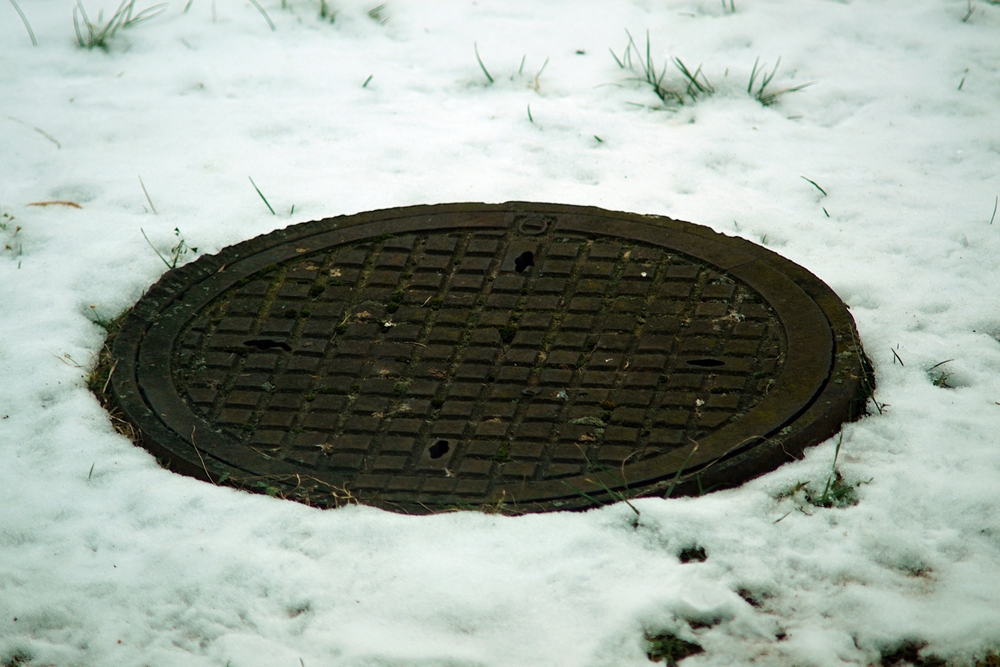
Buying a home with an onsite wastewater treatment system (OWTS), also known as a septic system, can take some adjustment if you have always lived in a home connected to municipal sewer service. For homeowners throughout the eastern plains, along the I-70 corridor, and in surrounding rural areas, an OWTS is an important part of the property, even though most of the system stays out of sight.
The good news is that owning a home with an OWTS does not have to be complicated. A little knowledge about how your system works, where it is located, and how to care for it can go a long way toward preventing problems.
Quick answer: If you are new to owning a home with an OWTS, start by learning where the tank and soil treatment area are located, what should and should not go down your drains, and what maintenance records are available for the property. Keep records of future service and pay attention to changes such as slow drains, odors, backups, or unusually wet ground. Maintenance needs vary by system, household size, water use, tank capacity, and other property-specific factors.
What New OWTS Owners Should Know
New OWTS owners should understand that everything entering a household drain becomes part of an onsite treatment process located on their property. Unlike municipal sewer service, an OWTS relies on components at your home to collect and treat household wastewater.
-
Learn the location of your OWTS tank, soil treatment area, and other known components before planning landscaping, parking, construction, or other property improvements.
-
Rural properties and homes throughout the eastern plains can have different system designs and property conditions, so do not assume your system is identical to a neighbor’s.
-
Colorado freeze-thaw cycles, snowmelt, precipitation, and changing household water use can affect the conditions homeowners observe around an OWTS.
-
Keep vehicles, structures, and heavy equipment away from the soil treatment area and other system components unless you know the area is designed to support them.
-
Keep pumping, inspection, repair, and system-location information with your other important property records.
Why OWTS Ownership Matters in Rural Areas
OWTS ownership matters in rural areas because properties can have very different wastewater arrangements depending on the lot, development history, available infrastructure, and system design. Someone moving from a sewer-served neighborhood may have never needed to think about what happens after wastewater leaves the house.
With an OWTS, the household plumbing, tank, soil treatment area, surrounding soil, and household water use are all connected. How you use water and what you put down your drains can affect the system located on your property.
High Plains Sanitation Service works throughout a broad service area that includes rural communities, the eastern plains, and the I-70 corridor. We encourage homeowners who are new to OWTS ownership to start by understanding their particular system instead of relying on assumptions based on another property.
Local Field Observations for New Homeowners
The best starting point for a new OWTS homeowner is establishing a baseline for the property before a problem develops. Find out what type of system serves the home, where its accessible components are located, and what maintenance or service information was transferred during the sale.
Across rural areas and the eastern plains, properties can change considerably over relatively short distances. Lot size, grading, development age, soil conditions, household use, and system configuration can all affect how an OWTS performs and what maintenance it requires.
If records from the previous homeowner are incomplete or unavailable, professional service can help establish a clearer picture of the system and its current maintenance needs.
How OWTS Problems Can Affect Your Home
OWTS problems can affect household drains, plumbing fixtures, outdoor areas, and your ability to use water normally. Problems do not always begin with an obvious sewage backup. Changes in drainage, odors, or conditions around the system may appear first.
This is especially useful to understand when you have recently purchased a property. You may know how your household uses water today, but you may have limited information about previous water use, pumping, maintenance, or repairs.
Establishing your own service records from the beginning gives you better information for future maintenance decisions.
Warning Signs Your OWTS Needs Attention
Warning signs of an OWTS problem can include changes in multiple drains, sewage odors, backups, or unusual wet areas around system components. Pay attention to patterns throughout the property rather than waiting until several serious symptoms appear at once.
Watch for:
-
Multiple household drains becoming unusually slow.
-
Gurgling sounds from toilets or other plumbing fixtures.
-
Sewage odors inside the home or around the OWTS area.
-
Wastewater backing up into tubs, showers, or other low fixtures.
-
Unusually wet or soggy ground around the tank or soil treatment area.
-
Unexpected changes in vegetation over a particular part of the system area.
-
Recurring drainage trouble that does not behave like an isolated plumbing clog.
One slow sink may simply have a localized plumbing blockage. When several fixtures begin showing similar symptoms, the problem deserves closer attention.
When Should You Call an OWTS Professional?
You should call an OWTS professional when you notice symptoms involving multiple drains, sewage backup, persistent sewage odors, suspected tank issues, or unusual wet conditions around the system. These signs may indicate something beyond an ordinary fixture clog.
Homeowners can safely monitor drainage, manage household water use, keep heavy traffic away from system areas, and maintain service records. Opening tanks, entering septic components, and attempting system repairs without appropriate training and equipment should be left to professionals.
If you recently purchased a property and do not know the system’s condition, location, or maintenance history, establishing that information is a practical first step.
Common Causes of OWTS Trouble in Rural Homes
Common OWTS trouble can result from overdue maintenance, excessive water use, inappropriate materials entering the system, or physical disturbance around system components. Colorado’s seasonal conditions and the characteristics of individual rural properties can also affect what homeowners observe.
1. Unknown maintenance history: A new homeowner may receive little or no information about previous pumping, inspection, or repairs.
2. Too much water at once: Concentrated laundry use, plumbing leaks, running toilets, or unusually high household water use can place additional demand on the system.
3. Inappropriate materials entering drains: Wipes, hygiene products, grease, and other household waste can contribute to problems. A package describing something as “flushable” does not mean it is a good choice for an OWTS.
4. Disturbance around the soil treatment area: Vehicles, construction, grading changes, landscaping, and heavy equipment can damage or compact areas associated with the system.
5. Seasonal property conditions: Cold weather, snow accumulation, snowmelt, precipitation, and changing soil conditions can affect what homeowners see around their property.
How to Maintain an OWTS
Good OWTS maintenance starts with sensible water use, careful flushing habits, protection of system components, and professional service based on the actual system. Knowing where the system is located before snow covers the property can also make future maintenance and service easier.
Spread high-water-use activities throughout the week when practical rather than concentrating several loads of laundry or other heavy water use into a short period. Repair leaking toilets and faucets, and keep grease, wipes, hygiene products, and non-degradable household waste out of the system.
Do not choose a pumping schedule simply because someone else’s tank is serviced on that timetable. Tank size, household occupancy, wastewater volume, solids accumulation, system condition, and other factors can affect appropriate service timing.
What to Expect From Professional OWTS Service
Professional OWTS service should help you better understand the condition of the system and what maintenance or additional service it currently needs. The work performed will depend on the reason for the visit and the individual system.
For a new homeowner, one of the biggest benefits is establishing reliable information. Once you know more about your system and begin keeping your own service records, future maintenance becomes easier to manage proactively.
Common OWTS Mistakes New Homeowners Make
Common OWTS mistakes often happen when homeowners treat an onsite system exactly like municipal sewer service. Changing a few household and property-management habits can help protect the system.
Mistake: Flushing wipes because the package says they are flushable.
Consequence: These materials may remain in the wastewater system and contribute to problems.
Better approach: Limit toilet flushing to human waste and toilet paper.
Mistake: Waiting for a sewage backup before thinking about maintenance.
Consequence: You lose the opportunity to identify routine maintenance needs before the system becomes disruptive.
Better approach: Learn about the system and establish its maintenance history soon after moving in.
Mistake: Driving or parking over an unknown soil treatment area.
Consequence: Vehicle weight can compact soil or damage system components.
Better approach: Identify the OWTS before deciding where to park vehicles, place structures, landscape, or complete outdoor projects.
A Common Rural Scenario for New Homeowners
A common rural scenario is a buyer moving from a property with municipal sewer service to a larger-lot home served by an OWTS. The buyer knows an onsite system serves the house but receives limited information about its location or maintenance history.
Do not automatically assume the system is either overdue for service or in good condition. Gather the available property and service records, identify the system’s location, review documentation transferred with the home, and seek professional service when its history or current condition is unclear.
That gives you a starting point based on your property rather than guesswork.
OWTS Services That Help New Homeowners
OWTS services can help new homeowners establish routine maintenance, better understand their systems, and respond when warning signs develop. Depending on the property and system condition, pumping and troubleshooting may be appropriate.
Our goal is to help property owners understand what their own system needs rather than base maintenance decisions on another household’s system or an arbitrary schedule.
DIY Monitoring vs. Professional OWTS Service
DIY monitoring is useful for everyday awareness, while professional service is appropriate for pumping and symptoms that may involve the OWTS itself. Homeowners play an important role by watching drainage, managing water use, protecting system areas, and maintaining records.
Professional help becomes more important when the system history is unknown, components cannot be located, sewage-related symptoms appear, or the tank requires service.
Never enter an OWTS tank or other confined system component.
Our OWTS Service Area
Our OWTS service area covers a broad portion of the eastern plains, rural communities, and properties along the I-70 corridor. We serve homeowners and property owners throughout this larger regional area based on their location and service needs.
What Can Happen If You Ignore OWTS Problems?
Ignoring OWTS warning signs can allow a developing issue to progress into wastewater backups, property disruption, or more involved service needs. Prompt attention is especially appropriate when several household drains are affected or sewage is appearing inside or outside the home.
Responding to unusual symptoms early also helps determine whether you are dealing with an isolated plumbing issue, routine OWTS maintenance, or a system problem that requires additional attention.
Frequently Asked Questions
How do I know whether my new home has an OWTS?
Start with your closing documents, property information, available records, and paperwork provided by the previous owner. Do not assume your wastewater service based only on nearby properties. Homes throughout rural areas can have different wastewater arrangements depending on the property, available infrastructure, and development history.
How often should an OWTS tank be pumped?
There is no single pumping interval that is appropriate for every property. Tank capacity, household occupancy, wastewater volume, solids accumulation, system design, and condition can all influence maintenance needs. Establishing information about your particular system is more useful than automatically following a schedule intended for a different household.
Can I use a garbage disposal with an OWTS?
A garbage disposal sends additional food solids into the wastewater system, so homeowners with an OWTS should be thoughtful about its use. Scraping food waste into the trash or composting appropriate materials can reduce the amount entering the tank. Consider your overall household habits and system condition when making maintenance decisions.
What should homeowners avoid flushing into an OWTS?
Homeowners should generally keep wipes, hygiene products, paper towels, grease, medications, and other household waste out of toilets and drains. Products marketed as flushable may not behave like toilet paper after entering an OWTS. Keeping disposal habits simple can reduce the amount of unnecessary material entering your wastewater system.
Can I landscape over my OWTS?
Landscaping around an OWTS requires care because roots, irrigation, soil changes, grading, and heavy equipment can interfere with the system or soil treatment area. Identify your system’s location before making significant landscaping changes. The appropriate landscaping choices will depend on the location, design, and characteristics of your particular system.
What should I do if my new home has no OWTS maintenance records?
Gather whatever property and service documentation is available, then consider professional service if the maintenance history remains unknown. Missing records do not automatically indicate a problem, but they make previous maintenance difficult to verify. Start keeping your own records so you have reliable service information going forward.
Can Colorado’s wet weather affect what I notice around my OWTS?
Wet weather, snowmelt, and saturated ground can make outdoor conditions around an OWTS more noticeable. Because precipitation and melting snow can also create naturally wet areas, look at the complete pattern. Persistent odors, unusual drainage behavior, wastewater surfacing, or wetness concentrated around system components deserve closer attention.
Is a slow drain always an OWTS problem?
No. A single slow fixture can result from a localized plumbing clog. If multiple drains slow down together, toilets begin behaving unusually, or the drainage problem occurs along with sewage odors or wastewater backup, the combination of symptoms may justify professional investigation instead of repeatedly treating individual fixtures.
Start OWTS Ownership With a Clear Plan
Starting OWTS ownership with a clear plan means knowing where your system is located, understanding what enters it, protecting the tank and soil treatment area, keeping service records, and paying attention to changes around your home.
For homeowners throughout rural areas, the eastern plains, and the I-70 corridor, the goal is not to become an OWTS expert. It is to understand your property well enough to recognize routine maintenance needs and know when professional help makes sense.
Get Your New Home’s OWTS Maintenance on Track
We help homeowners throughout our broad service area better understand and maintain their onsite wastewater treatment systems. Start with the system you actually have and build a maintenance history you can rely on.