Septic Service Agreements: Are They Worth It in Colorado?
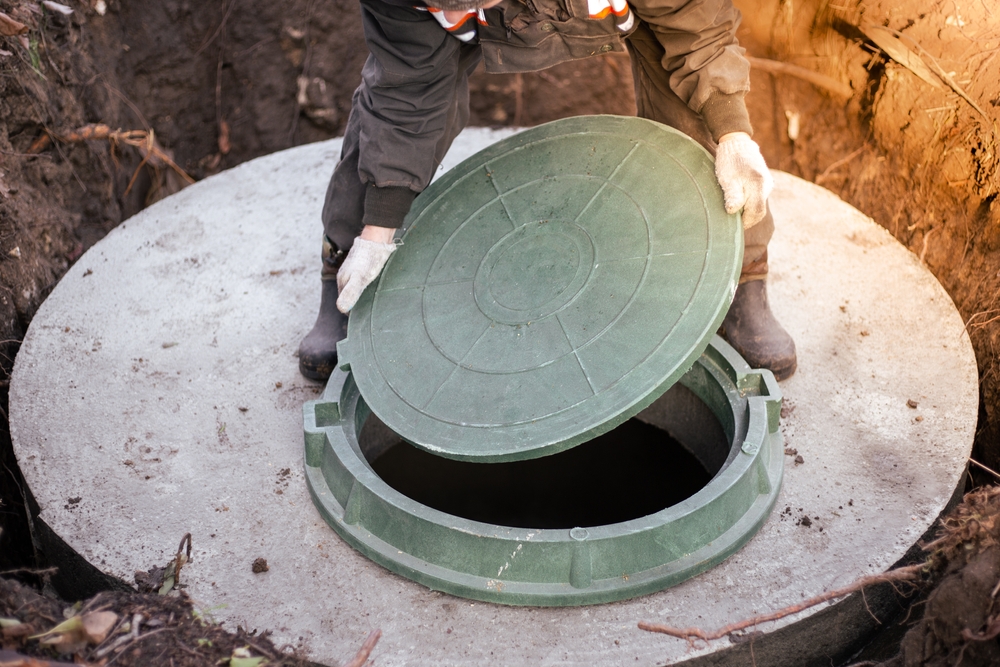
When your septic system is working properly, it’s easy to forget about everything happening underground. Wastewater disappears down the drain, your toilets flush normally, and daily routines continue without interruption. However, septic tanks need regular attention, and waiting until something goes wrong can lead to inconvenient repairs and unexpected expenses. For homeowners and rural property owners in Strasburg, CO, a septic service agreement may offer a practical way to stay ahead of maintenance.
A septic service agreement is an arrangement with a professional provider for ongoing inspections, maintenance, and other specified services. Depending on the agreement, it may include scheduled evaluations, pumping coordination, maintenance records, or additional support. These arrangements can be worthwhile for homeowners who want a dependable maintenance schedule, particularly when their system has specialized equipment or requires documented professional servicing.
Before signing a septic maintenance contract in Colorado, there are several important things to understand:
-
Not every system needs the same maintenance schedule. Tank capacity, household size, wastewater volume, and equipment type all affect service requirements.
-
Some advanced systems require ongoing professional service contracts. Colorado regulations establish specific requirements for certain higher-level treatment systems.
-
Scheduled septic pumping can help prevent excessive solids accumulation. Homes along the I-70 corridor may benefit from regular evaluations rather than waiting for warning signs.
-
Service agreements vary by provider. Homeowners should confirm exactly which inspections, pumping visits, repairs, and additional charges are included.
-
Professional records can be valuable. Documentation helps property owners track maintenance and prepare for certain real estate transactions.
At High Plains Sanitation Service, we’ve been helping Eastern Colorado property owners maintain their septic systems since 1959. As a family-owned and operated company, we bring more than 65 years of local experience to septic pumping, cleaning, inspections, minor repairs, and electrical support. We’re NAWT certified and proud members of Colorado Professionals in Onsite Wastewater (CPOW). Our approach emphasizes reliable service, fair pricing, and completing work on time and within budget.
What Is a Septic Service Agreement?
A septic service agreement is a contract outlining maintenance services that a septic provider will perform over an agreed period. It may establish inspection schedules, pumping arrangements, documentation requirements, and procedures for addressing identified problems, although the exact services depend on the provider and system.
How Maintenance Agreements Typically Work
A service agreement generally establishes expectations before maintenance is needed. Instead of scheduling each inspection from scratch, the homeowner and provider can work from an established service schedule.
Some agreements include periodic system inspections and maintenance reporting. Others involve pumping reminders, equipment evaluations, or specific tasks associated with advanced treatment systems.
An agreement doesn’t necessarily mean every repair or pumping visit is included in a fixed fee. Property owners should review the written terms carefully to understand which services are covered and which require additional authorization.
Maintenance Plans vs. Individual Service Visits
Homeowners with conventional septic systems may choose to schedule pumping and inspections individually. This arrangement can work when the owner understands the maintenance requirements and keeps accurate records.
A septic maintenance plan introduces more structure by identifying when services should occur and how responsibilities are divided.
For rural properties near Strasburg, Byers, and Deer Trail, either approach may be appropriate depending on the system. The important consideration is whether the arrangement helps the owner meet applicable requirements and maintain the equipment properly.
Why Do Septic Maintenance Agreements Matter in Colorado?
Septic maintenance agreements matter in Colorado because onsite wastewater treatment systems are subject to state and local requirements that vary according to system design and jurisdiction. Some systems require active professional maintenance contracts, while conventional systems may be maintained through scheduled inspections and pumping without a continuous agreement.
Colorado’s OWTS Requirements
Colorado refers to septic systems as onsite wastewater treatment systems, or OWTS. These systems are regulated under state standards, with local public health agencies responsible for administering applicable requirements.
The Colorado Department of Public Health and Environment establishes statewide regulations through Regulation 43. Local jurisdictions may also establish specific inspection, maintenance, and documentation requirements.
Certain higher-level treatment systems require ongoing maintenance contracts when they are approved under provisions involving reduced treatment areas or separation distances. Owners of those systems must satisfy the applicable inspection, recordkeeping, and contract requirements.
However, these rules don’t mean every conventional septic tank in Colorado must have a continuous service agreement. Homeowners should confirm the requirements for their particular system and county.
Local Requirements Can Differ
A property in Adams County may face different administrative requirements from one in Arapahoe, Elbert, or Douglas County. The property’s location, permit conditions, and type of wastewater treatment system can influence the maintenance obligations.
For example, Arapahoe County’s published septic guidance requires septic tank inspections at specified intervals and pumping when accumulated solids reach its established threshold. The county also has requirements associated with certain property sales.
For homeowners along the I-70 corridor, understanding the correct jurisdiction is an important first step. Our team can help explain relevant maintenance considerations and identify when the local public health agency should be contacted for clarification.
What Services Should a Septic Maintenance Plan Include?
A septic maintenance plan should clearly identify the inspections, pumping arrangements, equipment evaluations, documentation, and additional services included in the agreement. The most useful plan reflects the actual system rather than providing an identical checklist for every property.
Septic Tank Inspections
Professional inspections can help determine whether the tank requires pumping and whether accessible components show signs of problems. The evaluation may involve measuring sludge and scum accumulation, reviewing tank condition, and observing applicable system components.
An inspection can also identify concerns that require additional evaluation. However, the scope of a routine maintenance inspection may differ from a comprehensive real estate inspection.
At High Plains Sanitation Service, we offer professional septic inspections for homeowners and property owners throughout our service area. Our NAWT training supports the technical knowledge required to evaluate onsite wastewater systems.
Scheduled Septic Pumping
Pumping removes accumulated solids from septic tanks before excessive buildup interferes with normal treatment and wastewater flow. The appropriate interval depends on how much wastewater enters the system, tank capacity, and the amount of material accumulating inside.
Our published maintenance guidance recommends pumping and inspection approximately every 2 to 3 years for many systems, depending on household size, usage, age, and system type.
This is general guidance rather than a universal pumping requirement. Some properties may need more frequent service, while others can follow a different schedule based on professional measurements and local regulations.
Minor Repairs and Electrical Support
Certain septic systems contain pumps, floats, alarms, and other electrical components. These systems may require specialized evaluation in addition to routine tank maintenance.
Our team provides minor septic repairs and electrical support as part of our broader service capabilities. We also have advanced electrical expertise within our family business, which can be valuable when evaluating complex system components.
A maintenance agreement should explain whether these services are included or separately billed. Major structural work, hazardous tank entry, and specialized electrical repairs should always be handled by appropriately qualified professionals.
Are Septic Service Agreements Worth the Cost?
Septic service agreements can be worth the cost when they help property owners maintain necessary inspections, manage complicated equipment, and avoid missed maintenance responsibilities. However, their financial value depends on the services included, the system’s needs, and the terms of the agreement.
Comparing Routine Maintenance and Reactive Repairs
Some homeowners postpone septic pumping because the system appears to be operating normally. Unfortunately, excessive solids accumulation can develop without immediately noticeable symptoms.
If solids leave the tank and enter downstream components, the resulting problems may be more extensive than routine tank maintenance.
A service agreement can make inspections and maintenance easier to organize. However, no provider can guarantee that a maintenance contract will prevent every breakdown or eliminate future repair expenses.
Understanding Contract Pricing
A septic maintenance contract in Colorado may involve recurring fees, individually billed services, or a combination of charges. Pricing can depend on system complexity, inspection requirements, tank accessibility, pumping volume, and travel considerations.
Before signing, homeowners should ask whether the agreement covers inspections, pumping, cleaning, documentation, and follow-up visits.
At High Plains Sanitation Service, we focus on honest estimates and practical recommendations. We believe customers should understand the services being proposed and the factors that influence the final cost.
Which Colorado Properties Benefit Most From Regular Septic Service?
Properties that benefit most from regular septic service include homes with high wastewater use, advanced treatment equipment, older systems, and owners who need organized maintenance records. Rural residences and small businesses may also benefit from having a dependable provider familiar with their equipment.
Rural Homes Along the I-70 Corridor
Many properties in Eastern Colorado rely on individual septic systems rather than municipal wastewater collection. Homeowners near Strasburg, Bennett, Byers, and Deer Trail are responsible for understanding the equipment serving their properties.
These responsibilities can become more complicated when a home has multiple bathrooms, frequent visitors, or limited information about previous maintenance.
Regular inspections provide an opportunity to establish a baseline for system condition. They can also help determine whether the pumping schedule should change as household needs evolve.
Properties With Advanced Treatment Systems
Some OWTS designs include additional treatment components, electrical equipment, or specialized operating requirements. These systems may require more frequent monitoring than conventional gravity systems.
An ongoing professional service agreement can be particularly useful when the system must be maintained according to manufacturer instructions or specific permit conditions.
For certain higher-level treatment installations, an active maintenance contract may also be a regulatory requirement. Property owners should review their original permit documentation and consult the applicable county authority.
Rental Properties and Rural Businesses
Owners who don’t live on their properties may find it more difficult to monitor septic maintenance regularly. Rental properties, small offices, and other facilities can also experience changing wastewater loads.
A structured maintenance schedule can help property managers keep track of inspections and service history.
For properties in Elizabeth, Kiowa, Parker, and surrounding communities, reliable records can support more organized long-term maintenance. The appropriate service arrangement should reflect actual system use and applicable requirements.
What Are the Signs Your Septic System Needs Attention Before Its Next Service?
A septic system needs prompt professional attention when wastewater drains unusually slowly, sewage odors develop, alarms activate, or wastewater backs up into the building. These symptoms may indicate problems that require immediate evaluation rather than waiting for a scheduled maintenance appointment.
Warning Signs to Watch For
Homeowners should pay attention to changes in plumbing performance and conditions around the septic system.
Potential warning signs include:
-
Multiple drains becoming slow at the same time.
-
Gurgling sounds from plumbing fixtures.
-
Sewage odors near the tank or soil treatment area.
-
Wastewater backing up into sinks, tubs, or lower-level drains.
-
Unusual wet areas near septic components.
-
Sewage surfacing above the soil treatment area.
-
Pump or control alarms activating.
-
A sudden change in system performance following increased wastewater use.
These signs don’t always identify the exact problem. Some symptoms may result from building plumbing issues, while others can involve the septic tank, distribution components, or soil treatment area.
Know When to Call a Professional
If wastewater backs up into the building or sewage appears on the ground, reduce water use and contact a qualified septic professional promptly. Avoid contact with sewage and keep children and pets away from affected areas.
Homeowners should never enter a septic tank, lean into an open tank, or attempt hazardous repairs. Septic environments can contain dangerous gases, and electrical equipment may create additional risks.
Our team provides pumping, inspections, minor repairs, and applicable electrical support. We can help determine the appropriate next steps when a system isn’t functioning as expected.
What Should You Ask Before Signing a Septic Service Agreement?
Before signing a septic service agreement, homeowners should ask exactly what services are included, how often visits occur, and which expenses are billed separately. A clear understanding of the contract can help prevent confusion and ensure the arrangement supports the property’s actual maintenance requirements.
Questions Worth Asking
A written agreement should make the provider’s responsibilities easy to understand.
Consider asking the following questions:
-
Does the agreement include routine inspections, pumping, or both?
-
How is the service schedule determined?
-
Are sludge and scum measurements included during inspections?
-
Will the provider maintain written service records?
-
Are minor repairs or electrical evaluations covered?
-
What happens when additional work is recommended?
-
Are emergency visits included or separately charged?
-
How are contract renewals and cancellations handled?
These questions are particularly important when comparing providers or evaluating advanced treatment systems. The agreement should also address any documentation required by the local health department.
Match the Agreement to Your System
A small household using a conventional septic tank may not need the same arrangement as a large rural property with pumps and additional treatment equipment. Similarly, a business with changing wastewater demands may need a different inspection schedule.
The provider should evaluate relevant system information before recommending an appropriate plan.
At High Plains Sanitation Service, we believe maintenance decisions should be based on actual conditions and practical needs. Our experience with conventional and more complex systems allows us to help property owners understand the services that may be appropriate.
Frequently Asked Questions About Septic Service Agreements in Colorado
Are septic service agreements required in Colorado?
Not every conventional septic system in Colorado requires a continuous service contract. However, certain higher-level treatment systems are subject to ongoing maintenance agreement requirements under state regulations and applicable local programs. Homeowners should review their permits and confirm requirements with the appropriate local public health agency.
How often should I schedule septic pumping in Strasburg, CO?
Septic pumping frequency depends on tank capacity, household size, wastewater use, solids accumulation, and local regulations. Our general maintenance guidance suggests approximately every 2 to 3 years for many systems, although actual needs vary. Professional inspections can help establish an appropriate schedule.
What’s the difference between a septic maintenance plan and a service agreement?
The terms are often used interchangeably, but their meaning depends on the provider. A maintenance plan may describe recommended inspections and pumping, while a service agreement is generally a written contract establishing specific responsibilities. Homeowners should review the actual terms rather than relying on the label.
Can a septic service agreement prevent expensive repairs?
A service agreement may help reduce the risk of certain problems by encouraging timely inspections and maintenance. However, it cannot guarantee that equipment failures, soil treatment area problems, or other issues will never occur. The value comes from proactive care and a clearer understanding of the system’s condition.
Do septic maintenance requirements differ between Adams and Arapahoe counties?
Yes, local septic requirements can vary among Colorado counties. Adams and Arapahoe counties administer OWTS programs under applicable state and local standards, and specific maintenance or property-sale requirements may differ. Property owners should confirm the rules associated with their property’s location.
Does High Plains Sanitation Service offer scheduled septic pumping?
Yes, we provide septic pumping, cleaning, and inspections throughout Strasburg and the surrounding Eastern Colorado service area. We can discuss appropriate maintenance timing based on system use and condition. Homeowners interested in a recurring service agreement should contact us to confirm available arrangements and terms.
Are septic inspections important when buying rural property?
Yes, a professional septic inspection can help buyers understand the condition of an onsite wastewater treatment system. Certain counties also have specific use-permit or inspection requirements associated with property transfers. Buyers and sellers should confirm applicable local rules before completing a transaction.
Can High Plains Sanitation Service work on systems with electrical components?
Yes, we provide electrical support for applicable septic system components along with pumping, cleaning, inspections, and minor repairs. Our team includes advanced electrical expertise and holds NAWT certifications covering multiple aspects of onsite wastewater systems. We can help determine whether specialized service is needed.
Take a More Proactive Approach to Your Septic System
A septic service agreement can be a useful investment for Colorado homeowners who want consistent maintenance, organized records, and professional support. However, the right arrangement depends on the property’s wastewater treatment system, usage patterns, maintenance history, and local requirements. Some conventional systems can be managed through individually scheduled inspections and pumping, while certain advanced systems require ongoing professional contracts. Understanding those differences can help you select a maintenance approach that fits your responsibilities without paying for unnecessary services.
At High Plains Sanitation Service, we’ve served Strasburg and surrounding Eastern Colorado communities since 1959. As a family-owned and operated business, we take pride in providing dependable septic pumping, cleaning, inspections, minor repairs, and electrical support. Our NAWT certifications and CPOW membership reflect our commitment to knowledgeable service, while our focus on honest pricing helps customers make informed decisions. Whether you own a rural home near the I-70 corridor, manage rental property, or operate a small business with an onsite wastewater system, we’re here to help you understand your maintenance needs and plan appropriate service.
Plan Your Septic Maintenance With High Plains Sanitation Service
If you’re considering a septic service agreement or want to establish a more dependable inspection and pumping schedule, contact High Plains Sanitation Service to discuss your system. Call 303-622-4126 to request an estimate or learn more about our septic pumping, cleaning, inspection, and maintenance services. We’ll help you evaluate your property’s needs and discuss appropriate options for keeping your septic system properly maintained.