When winter approaches in Colorado, homeowners have a long checklist to tackle. From insulating pipes to weatherproofing windows, preparing for the cold is critical. But one often overlooked task is getting your septic system ready for freezing temperatures. Winterizing your septic system is not just about comfort—it’s essential for protecting your property and avoiding costly repairs. Whether you live in Strasburg, Bennett, Byers, or anywhere else in the state, understanding the do’s and don’ts of septic maintenance during the winter can save you time, stress, and money.
Understand the Impact of Cold on Your Septic System
Colorado winters are unforgiving, especially in rural towns like Strasburg, Bennett, and Byers where many homes rely on septic systems. The temperature often drops below freezing, which can have a serious effect on the system’s functionality. Freezing soil and ground layers can halt the bacterial activity that is necessary for breaking down waste in your tank. If your system isn’t properly prepared, water can freeze in pipes, the tank, or the drain field. This can lead to backups, cracks, or complete system failure.
Septic systems are designed to work year-round, but that doesn’t mean they are immune to weather conditions. One of the most important reasons to winterize a septic system is to maintain the temperature inside the tank. Without adequate thermal protection, the bacteria that process waste can become dormant. When that happens, solids build up faster and your need for septic pumping increases. This is particularly important for homeowners in Strasburg, CO who may have limited access to septic professionals in the dead of winter.
Proper Septic Pumping Before Winter
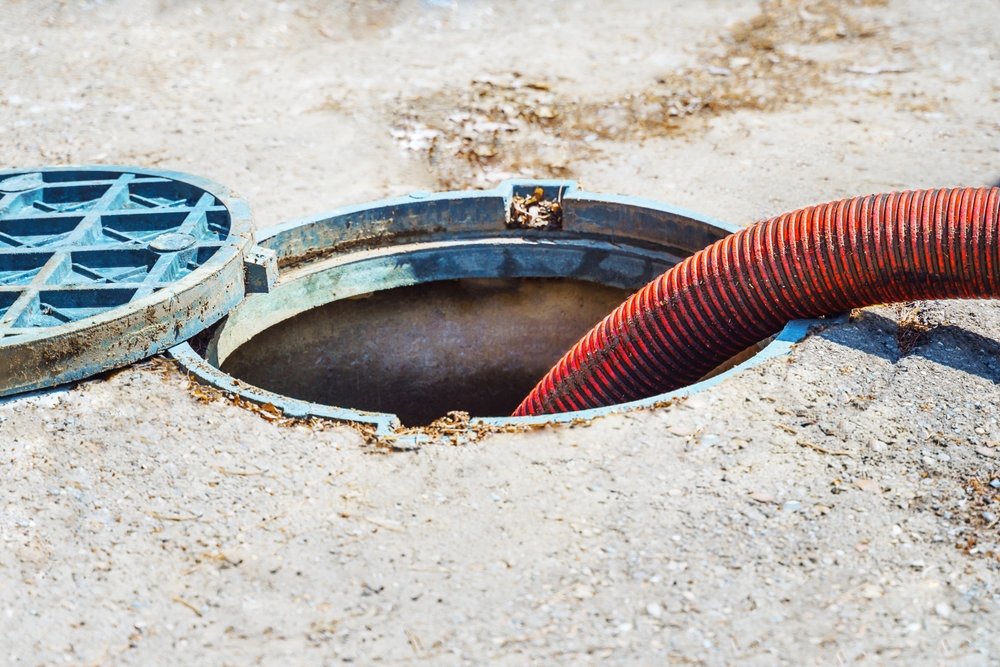
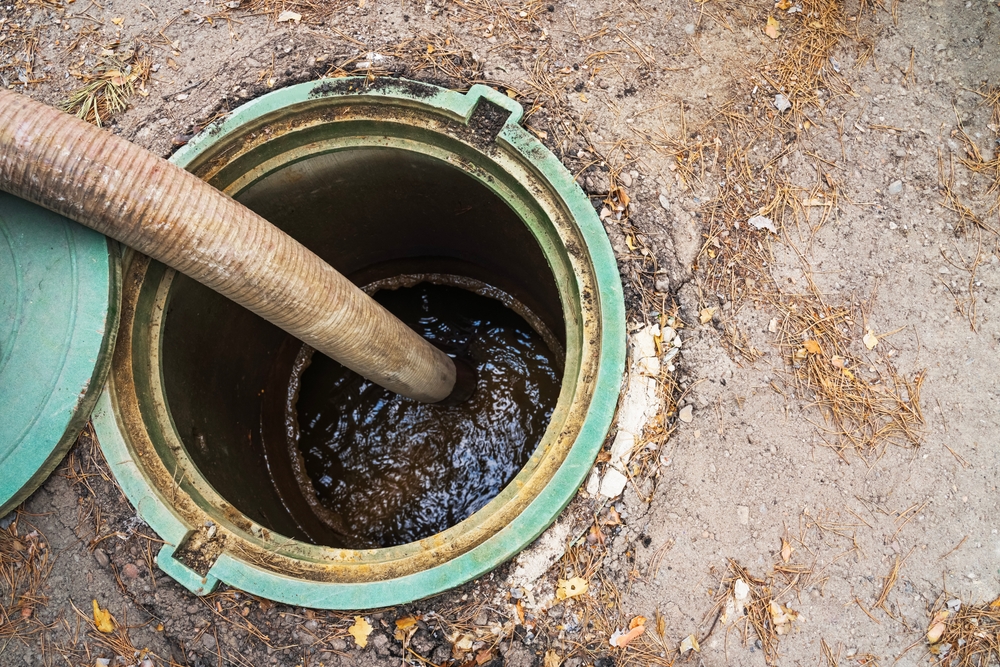
Timing your septic pumping before the winter freeze hits is one of the smartest steps you can take. In Strasburg, CO and surrounding areas, septic tanks should ideally be pumped every three to five years depending on usage. However, if your tank is near capacity heading into winter, it’s wise to schedule a pumping service before the ground freezes. This allows your tank to operate at maximum efficiency throughout the colder months.
Avoid pumping your tank once the ground has already frozen, especially if the system is already experiencing issues. Not only will it be harder to access, but the risks of damage are higher. Septic maintenance crews often have a more difficult time in cold conditions, and if the drain field is frozen, pumped liquid may not disperse properly. This could result in dangerous and unsanitary overflows. In Bennett, CO, where winter storms can come on suddenly, scheduling your service early is not just good practice—it’s essential for maintaining septic health.
Insulating Your Septic System for Cold Weather Protection
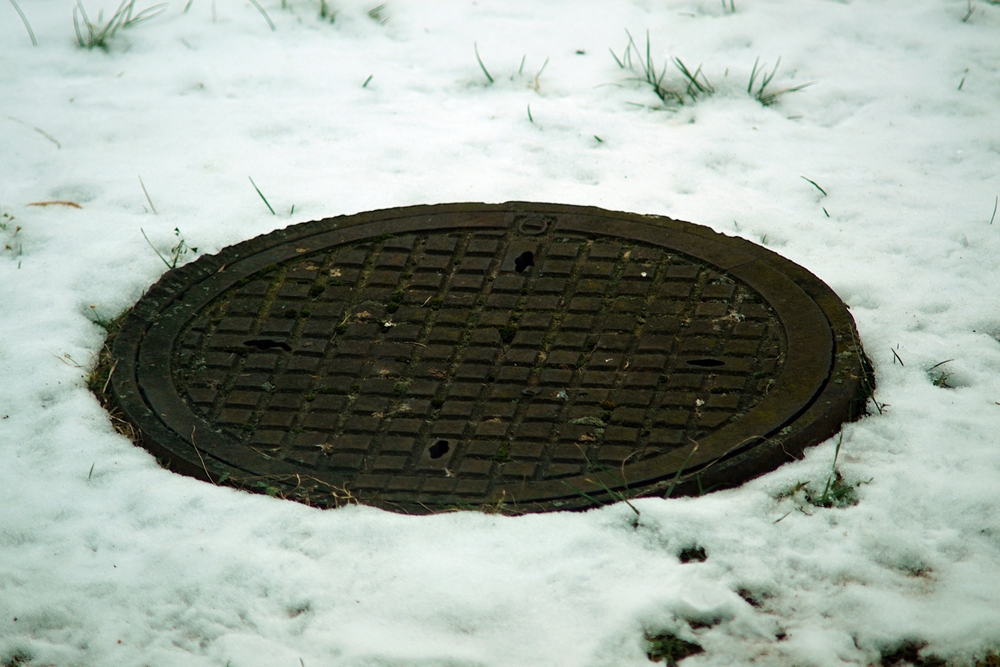
Insulation is a crucial step in cold weather septic tips, particularly in Colorado where extended freezes are common. One of the most effective ways to protect your system is by allowing grass to grow longer over the tank and drain field. This natural layer of insulation helps maintain warmth below the surface. In Byers, CO, where wide open fields can lead to faster ground freezing, homeowners should consider applying mulch or straw over exposed areas of the system, especially if those areas have been disturbed or recently installed.
Avoid using materials like plastic sheeting, which can trap cold air and actually worsen freezing issues. Instead, organic materials that can trap heat while allowing for moisture exchange are preferred. Also, avoid excessive snow removal over the septic system, as snow can act as an insulator if left undisturbed. By taking these simple steps, you reduce the risk of frozen components and ensure your system remains functional even during the coldest days of winter.
Avoid Overusing Water and Monitor Indoor Drains
Another common mistake homeowners make is overusing water during the winter. Whether it’s from holiday guests or increased indoor activity, more water entering the system can lead to problems if the drain field is struggling to function in frozen soil. In areas like Byers, CO, drain field care is especially important during the winter months. Excess water can freeze within pipes or saturate the drain field, which compromises the system’s ability to filter and absorb waste.
Spread out laundry loads, use water-efficient appliances, and avoid draining hot tubs or pools into your septic system during winter. These practices not only prevent overload but also reduce the chance of introducing large volumes of water that may freeze. Keep an eye on indoor drains as well. If you notice gurgling sounds or slow drainage, these could be early signs of blockage or freezing. Acting early can prevent minor issues from turning into major repairs. This kind of proactive septic maintenance in Bennett, CO and nearby regions can make all the difference in avoiding emergency service calls in the middle of a snowstorm.
Know What Not to Do When Winterizing
Understanding what not to do is just as important as knowing the right steps. One major mistake is digging into or disturbing the system once it’s already cold. This includes any construction, landscaping, or even attempting to inspect components on your own. Digging into a frozen drain field can damage pipes and increase the risk of contamination. It’s best to leave all inspections and repairs to professionals familiar with the local soil and climate conditions.
Another common error is using additives or septic “boosters” during winter. Many of these products claim to increase bacterial activity, but in reality, they often disrupt the natural balance within your tank. Especially in cold climates like Colorado, these chemicals can do more harm than good. If you’re considering any kind of treatment, consult with a certified septic specialist who understands the unique conditions in your area.
Don’t forget to check your tank lids and risers. Loose or damaged covers can allow cold air to seep in, increasing the risk of internal freezing. Ensure all components are sealed tightly and properly insulated. In Strasburg, CO, where wind chills can be extreme, this simple inspection can protect your system from a host of weather-related issues.
Conclusion
Winterizing your septic system is an essential task for every homeowner in Colorado, especially in small towns like Strasburg, Bennett, and Byers where septic systems are the norm. Whether it’s scheduling septic pumping in Strasburg, applying mulch for insulation in Byers, or performing regular septic maintenance in Bennett, CO, each action plays a role in keeping your system healthy during the winter months. Cold weather septic tips often come down to a blend of preparation, observation, and professional support.
Protecting your septic system from winter damage not only extends its lifespan but also saves you from potentially thousands of dollars in repairs. From drain field care to proper water usage, every step you take ensures your home runs smoothly throughout the season. Take the time now to winterize your septic system and rest easy knowing you’ve done your part to safeguard one of your home’s most important systems.
Need Septic Tank Service Near You?
If you’re looking for dependable, expert septic services in Strasburg or the surrounding areas, don’t hesitate to reach out to us at High Plains Sanitation Service. We’ve been proudly serving our community since 1959 as a family-owned and -operated business, and we’re here to ensure your septic system runs smoothly with top-notch pumping, cleaning, inspections, and even electrical support. Our NAWT certification and CPOW membership mean you can trust in the quality of our work—and your satisfaction is always our top priority. Give us a call today and let us show you the High Plains difference!
If you live in a rural area or a property that isn’t connected to a municipal sewage system, chances are you rely on a septic system to handle wastewater. While this method of waste management is efficient and eco-friendly, it also requires consistent attention to remain functional. One of the most crucial aspects of caring for your septic system is regular pumping.
Septic pumping is the process of removing sludge and buildup from your septic tank. Over time, solid waste settles at the bottom of the tank while scum floats to the top. If not routinely pumped, these materials can overflow into the drain field, leading to blockages, backups, and costly damage. Homeowners in places like Strasburg, CO understand how vital it is to keep up with septic pumping, especially with seasonal weather changes that can place additional stress on the system.
When a septic system is pumped at appropriate intervals, usually every three to five years depending on usage, it continues to perform optimally throughout the year. Neglecting this simple service can lead to severe disruptions and expensive repairs. In Colorado, where winters can be harsh and unpredictable, the last thing any homeowner wants is to deal with a septic backup in the dead of January.
Preventing Unexpected System Failures
Nothing disrupts a home quite like a septic failure. The smell, the mess, and the inconvenience are enough to ruin your week. Thankfully, this type of disaster is entirely preventable with a regular septic maintenance schedule. Homeowners in communities such as Bennett, CO often make septic tank cleaning a routine part of their home care, recognizing that proactive service can prevent reactive stress.
By removing sludge before it reaches critical levels, you maintain proper flow through the tank and into the drain field. The drain field plays an essential role in filtering water and returning it to the groundwater system. If solids begin to clog this area, it not only damages the system but poses a significant health risk to your family and the environment. Regular pumping reduces the chance of this occurring and keeps everything running smoothly, even during periods of heavy use, such as holidays or family gatherings.
In addition to pumping, professional septic tank cleaning ensures that any grease, soap residue, or non-biodegradable materials that may have entered the system are removed. These materials can interfere with the natural bacterial balance in your tank, which is necessary to break down waste effectively. Bennett, CO residents who routinely clean their tanks often report fewer issues and longer system lifespans.
The Role of Septic Inspections in System Health
While pumping is a core part of septic care, it should be paired with routine septic inspection to get a complete picture of your system’s condition. A septic inspection can uncover developing issues before they become costly repairs. For homeowners in Byers, CO, annual inspections are a smart way to catch signs of corrosion, leaks, or drain field failure.
During an inspection, a trained professional will assess the tank’s sludge and scum levels, check for cracks or structural issues, and test the system’s function. This is also a perfect time to identify if more frequent pumping is necessary based on household usage patterns. For example, a family of five will fill a tank much faster than a retired couple.
The terrain and soil type in Colorado also influence how often your system should be checked. In wetter months, overly saturated soil can inhibit drainage, leading to potential overflows. Septic inspections are not just about current system status but also help forecast future needs. This foresight allows for strategic maintenance, rather than emergency repairs.
In areas like Byers, CO, where some properties may have aging septic systems, inspections become even more critical. They serve as an early warning system, alerting homeowners to minor issues before they escalate. Combined with regular pumping, inspections form the backbone of a comprehensive maintenance routine.
Long-Term Benefits of Regular Septic Maintenance
The value of regular septic maintenance in Colorado cannot be overstated. It is a form of preventative care that not only protects your property but also saves you money in the long run. Think of it like changing the oil in your car. You wouldn’t wait until the engine seizes before getting an oil change, and the same principle applies to your septic system.
One of the biggest benefits of consistent maintenance is the extended lifespan of your septic tank and drain field. A well-maintained system can last decades, while neglected ones may fail in just a few years. Additionally, regular septic pumping and inspection mean fewer emergencies and less stress. You avoid unpleasant surprises like sewage backups, foul odors, and costly restoration work.
There’s also an environmental benefit. When your system functions as intended, it filters and returns clean water to the earth. A compromised system, however, may leach harmful waste into nearby water sources or property. This not only poses a risk to local wildlife but can also contaminate well water, especially in rural communities.
In Colorado, where many homes are built on acreage with private wells, regular septic maintenance is as much about health and safety as it is about convenience. It’s a simple step that ensures your home remains clean, efficient, and eco-friendly.
Avoiding Septic Backups Year-Round
Septic backups are not only disgusting but incredibly disruptive. Overflowing toilets, standing water in your yard, and foul smells inside your home are all symptoms of a serious issue. Fortunately, these nightmares are avoidable through routine care and attention. Avoiding septic backups in Colorado starts with being proactive.
In climates that see freezing temperatures, like much of Colorado in winter, backups can be even more problematic. A frozen line or overfilled tank can spell disaster, making pumping before winter a wise decision. Many homeowners in Strasburg, CO choose to schedule septic pumping in the fall to prepare for the cold months ahead. This preemptive step ensures their system won’t become a frozen, overflowing headache.
Year-round maintenance also means being mindful of what goes down your drains. Items like wipes, sanitary products, grease, and harsh chemicals can wreak havoc on your tank. While proper habits go a long way, they cannot replace the need for periodic pumping and professional service.
Spring and summer are ideal times to inspect and clean your system, especially if you’ve had a busy season with guests or large household events. In addition, scheduling service outside of peak emergency times often leads to faster appointments and better pricing. Maintaining a consistent service schedule ensures that you are always ahead of problems, regardless of the season.
Conclusion
Caring for your septic system is not something to put off or ignore. With proper planning and regular service, you can enjoy a healthy, efficient system that works reliably throughout the year. Septic pumping in Strasburg, CO is not just a recommended service; it’s a necessity for homeowners who want to protect their investment and avoid the stress of emergency repairs.
Septic tank cleaning in Bennett, CO, and septic inspections in Byers, CO are equally essential parts of the broader maintenance picture. Together, they ensure your system remains clean, functional, and environmentally safe. Regular septic maintenance in Colorado offers peace of mind, knowing that your home is protected from backups, failures, and expensive surprises.
Whether you’re preparing for the freeze of winter or the activity of summer, sticking to a consistent schedule will always serve you well. Don’t wait until there’s a problem. Prioritize maintenance, pump your tank regularly, and trust local professionals to keep your system running at its best. With a little care, your septic system will serve your household faithfully for many years to come.
Need Septic Tank Service Near You?
If you’re looking for dependable, expert septic services in Strasburg or the surrounding areas, don’t hesitate to reach out to us at High Plains Sanitation Service. We’ve been proudly serving our community since 1959 as a family-owned and -operated business, and we’re here to ensure your septic system runs smoothly with top-notch pumping, cleaning, inspections, and even electrical support. Our NAWT certification and CPOW membership mean you can trust in the quality of our work—and your satisfaction is always our top priority. Give us a call today and let us show you the High Plains difference!
Septic systems are the unseen workhorses of rural and suburban homes across Eastern Colorado, and in communities like Strasburg and Bennett, they’re essential for everyday living. Unlike city homes connected to municipal sewer lines, homes in Strasburg, CO rely on private septic systems to treat wastewater. While these systems are generally reliable, they do require consistent attention. Regular septic pumping and maintenance are key to ensuring your home runs smoothly and your property remains safe and sanitary.
In this blog, we’ll explore why septic pumping is essential, how often it should be done, and the consequences of neglecting this crucial service. Whether you’re new to septic systems or simply need a reminder of their importance, understanding the value of regular septic service can save you thousands in repairs and give you peace of mind.
The Role of Septic Pumping in Strasburg, CO
Septic systems in Strasburg operate on a simple but effective principle: separate solids from liquids and allow treated wastewater to filter safely into the ground. The solid waste, or sludge, collects in the septic tank and must be pumped out periodically. This is where septic pumping becomes critical.
Over time, the accumulation of solids can exceed the tank’s holding capacity. When that happens, solids may escape into the drainfield, causing clogs, backups, or even system failure. Regular septic pumping in Strasburg prevents these issues by removing sludge and restoring the tank’s ability to function properly.
Many homeowners don’t realize that just because their drains seem to be working doesn’t mean the septic tank is in good condition. Problems can build quietly beneath the surface, sometimes for years, before erupting into expensive and disruptive emergencies. A proactive approach to septic maintenance ensures that you’re not caught off guard.
How Often Should You Schedule Septic Service in Strasburg?
The frequency of septic service in Strasburg, CO depends on several factors, including the size of your household, the capacity of your tank, and your water usage habits. As a general rule, most homes require septic pumping every 3 to 5 years. However, some households may benefit from more frequent service, particularly if they host guests often, use a garbage disposal, or have older systems.
For homes in Strasburg and nearby Bennett, CO, working with a professional septic company that knows the region’s soil and environmental conditions can make a big difference. Local providers are familiar with the specific needs of Eastern Colorado septic systems and can help you develop a personalized septic maintenance schedule that prevents issues before they start.
It’s also worth noting that regular inspections are a vital part of this equation. A qualified technician can assess your tank’s sludge and scum levels and recommend the appropriate service timeline. In many cases, the best approach combines both scheduled pumping and periodic evaluations to ensure optimal system performance.
Avoiding Costly Damage Through Preventative Septic Maintenance
Neglecting septic maintenance is a gamble that rarely pays off. When sludge builds up, it doesn’t just affect the tank. The entire system can become compromised. Blocked drainfields are notoriously expensive to repair, often requiring excavation, soil replacement, or even full system replacement.
In Strasburg and throughout Eastern Colorado, septic tank cleaning is a relatively low-cost service compared to the massive expenses associated with system failure. By investing in regular maintenance, homeowners not only protect their wallets but also their property values.
Septic backups can be particularly disruptive, causing sewage to enter the home through drains and toilets. Not only is this unsanitary, but it also requires immediate cleanup and remediation. Mold growth, water damage, and exposure to harmful bacteria can turn a preventable situation into a public health hazard.
For residents of Bennett, CO, and the surrounding region, staying on top of septic tank cleaning means avoiding these potential catastrophes. A trusted septic company will help you keep your system functioning efficiently while identifying any early warning signs that might otherwise go unnoticed.
Supporting Environmental Health in Eastern Colorado
Septic maintenance in Eastern Colorado doesn’t just benefit homeowners; it plays a vital role in protecting the local environment. Improperly maintained systems can leak raw sewage into groundwater supplies, posing a risk to drinking water, agriculture, and local ecosystems.
In a rural community like Strasburg, where many properties are on larger plots and draw from well water, maintaining a clean and contained septic system is especially critical. Groundwater contamination can impact multiple homes, not just the one with the faulty system.
Regular septic service ensures that effluent is properly treated and that the surrounding soil and water sources remain unpolluted. It’s one of the most effective ways homeowners can contribute to the long-term sustainability of their communities.
Additionally, in regions like Strasburg and Bennett, local regulations may require documented maintenance and inspections. Staying compliant not only helps avoid fines but also supports broader efforts to maintain public health and environmental integrity.
Choosing the Right Strasburg, CO Septic Company
Selecting a reliable septic company is just as important as maintaining your system. A reputable Strasburg, CO septic company will offer more than just basic pumping. They will provide thorough inspections, transparent recommendations, and customer-focused service tailored to your needs.
Look for providers with experience in Eastern Colorado and specific knowledge of the area’s geology, climate, and building trends. Septic systems in this region often deal with unique challenges, such as clay-heavy soils or fluctuating groundwater levels. Local expertise can make all the difference in preventing long-term damage.
The best septic companies will also educate homeowners. They will explain what they’re doing, why it matters, and how you can help extend the life of your system between visits. Whether you’re scheduling your first pumping or you’ve lived with a septic tank for decades, a trustworthy service partner can simplify the entire process.
Homeowners in Bennett, Strasburg, and other nearby towns should prioritize companies that use modern equipment, offer emergency services, and maintain a track record of community trust. Positive reviews, state certifications, and clear pricing are all signs that you’ve chosen a dependable provider.
Conclusion
In Strasburg, septic systems are a foundational part of home infrastructure. They work quietly in the background, but when neglected, they can cause major disruptions. Routine septic pumping is not a luxury—it’s a necessity for keeping your home, property, and environment safe and healthy.
From preventing backups to safeguarding groundwater, the benefits of regular septic service are far-reaching. For homeowners in Strasburg, CO, and nearby Bennett, CO, septic tank cleaning should be scheduled with the same diligence as any other home maintenance task.
Don’t wait for a warning sign to appear. Partner with a trusted Strasburg, CO septic company today and enjoy the peace of mind that comes with knowing your system is in top shape. In the long run, a small investment in septic maintenance will save you time, money, and hassle, while helping your home and community thrive.
Need Septic Tank Service Near You?
If you’re looking for dependable, expert septic services in Strasburg or the surrounding areas, don’t hesitate to reach out to us at High Plains Sanitation Service. We’ve been proudly serving our community since 1959 as a family-owned and -operated business, and we’re here to ensure your septic system runs smoothly with top-notch pumping, cleaning, inspections, and even electrical support. Our NAWT certification and CPOW membership mean you can trust in the quality of our work—and your satisfaction is always our top priority. Give us a call today and let us show you the High Plains difference!
If you’re a homeowner in Strasburg, CO, or nearby areas like Bennett and Eastern Colorado, chances are your property relies on a septic system. While it’s easy to forget what happens after wastewater leaves your home, ignoring your septic system can lead to costly, messy, and even hazardous problems. Routine septic maintenance in Eastern Colorado is not just recommended — it’s essential.
Understanding the early warning signs that your septic system is struggling can save you thousands of dollars in repairs or even full system replacements. Below are five crucial signs to watch for so you can seek professional septic service in Strasburg, CO, before a small issue turns into a major disaster.
1. Foul Odors Inside or Outside Your Home
One of the earliest and most noticeable signs of septic trouble is the presence of bad smells. If you detect foul odors near your drains, toilets, or even in your yard, it’s often a sign that the septic tank is full or malfunctioning. These odors are caused by the buildup of waste gases, like hydrogen sulfide and methane, which should normally stay contained within the system.
In some cases, these smells can indicate a leak in the tank or a blockage in the drainfield. A trusted Strasburg, CO, septic company can perform a thorough inspection to determine the cause and recommend appropriate action such as septic pumping in Strasburg. Don’t dismiss these odors as just part of rural living — they’re a clear call for help from your septic system.
2. Slow Drains and Gurgling Sounds
If you’ve noticed your sinks, tubs, or toilets draining more slowly than usual, it might be more than a clog. Especially when multiple drains are affected at the same time, it’s often a red flag pointing to a septic system backup. You might also hear unusual gurgling or bubbling noises when water is draining.
This could mean the septic tank is nearing capacity or that there’s a blockage in the pipes leading to or from the tank. While chemical drain cleaners may seem like a quick fix, they can do more harm than good by damaging the beneficial bacteria in your tank that help break down waste. Scheduling timely septic tank cleaning in Bennett, CO, can restore your system’s balance and keep things flowing properly.
3. Standing Water in the Yard
If you see pooling water in your yard — especially near the drainfield — when it hasn’t rained recently, that’s a serious indicator of septic failure. This excess moisture suggests that your system isn’t properly processing wastewater. A saturated drainfield can result from a full tank, a clogged outlet pipe, or even compacted soil that’s preventing proper absorption.
Standing water not only threatens your lawn and landscaping, but it also poses a health risk due to potential contamination. It’s crucial to contact a Strasburg, CO, septic company for emergency septic service before the situation escalates. In some cases, immediate septic pumping in Strasburg may be required to alleviate pressure and prevent contamination from reaching the surface.
4. Lush Grass or Greener Patches Over the Drainfield
While green grass may seem like a positive sign, it can be misleading when it comes to septic systems. An unusually lush or fast-growing patch of grass above your drainfield may indicate that excess waste water is seeping into the soil, acting as a fertilizer. This is often a sign that your system is leaking, or that the drainfield is being overloaded and unable to filter the wastewater effectively.
This imbalance is not sustainable and will eventually lead to more visible and harmful problems such as standing water or sewage surfacing in the yard. Proper septic maintenance in Eastern Colorado involves checking for these early visual cues and having the system inspected and pumped at recommended intervals.
5. Sewage Backup in the Home
Perhaps the most alarming sign of septic system failure is raw sewage backing up into your toilets, sinks, or bathtubs. This not only creates a foul mess, but it also introduces harmful pathogens into your living environment. If this occurs, it’s usually the result of a full or clogged tank, a malfunctioning pump, or a blockage in the drainage pipes.
Immediate action is critical. Do not attempt to clean or repair this on your own, as the risks to your health are significant. A licensed septic service in Strasburg, CO, can safely address the issue, perform septic tank cleaning, and evaluate your entire system for damage. Acting quickly can prevent permanent damage to your plumbing and avoid the need for a full septic replacement.
Conclusion
Your septic system works quietly behind the scenes, handling the waste your household produces every day. But like any mechanical system, it needs attention and care to function properly. Whether you’ve just noticed slow drains or you’re smelling something unpleasant in your yard, taking early action can prevent minor issues from becoming costly repairs.
By watching for these five signs — foul odors, slow drains, standing water, lush grass, and sewage backups — you can stay ahead of serious septic problems. Regular inspections and septic maintenance in Eastern Colorado are your best defense. If you’re unsure when your system was last serviced, it’s time to schedule an evaluation.
A reliable Strasburg, CO, septic company can offer guidance tailored to your property and usage habits. Septic tank cleaning in Bennett, CO, or septic pumping in Strasburg is not just a maintenance task — it’s an investment in the safety and functionality of your home.
Don’t wait until your yard smells like a swamp or your bathroom turns into a hazard zone. Pay attention to the signs, and protect your property, health, and wallet with timely septic care.
Need Septic Tank Service Near You?
If you’re looking for dependable, expert septic services in Strasburg or the surrounding areas, don’t hesitate to reach out to us at High Plains Sanitation Service. We’ve been proudly serving our community since 1959 as a family-owned and -operated business, and we’re here to ensure your septic system runs smoothly with top-notch pumping, cleaning, inspections, and even electrical support. Our NAWT certification and CPOW membership mean you can trust in the quality of our work—and your satisfaction is always our top priority. Give us a call today and let us show you the High Plains difference!
As summer fades into autumn, September brings a unique set of benefits for homeowners in Colorado who are planning septic pumping. The weather is typically mild, making it easier for service technicians to access your property without the extreme heat of summer or the freezing conditions of winter. For residents in Deer Trail, CO, and nearby towns like Strasburg, this timing can be especially advantageous, as the soil remains soft enough to dig if necessary, and the risk of heavy snow or frozen ground is still weeks away. These seasonal conditions not only make the septic tank pumping process more efficient but also help avoid unnecessary delays or complications that may arise during harsher months.
Another key factor is that September often marks the end of a season of heavy household usage. With family gatherings, barbecues, and increased summer visitors, septic systems often work overtime during June, July, and August. Scheduling a professional septic pumping near Deer Trail, Colorado at the start of fall ensures that your system is cleared of excess waste and ready to handle the quieter winter months without risk of backup or overflow.
Preparing Your Septic System for Winter
Colorado winters are notoriously harsh, with freezing temperatures that can create significant challenges for septic systems. Frozen ground can make access difficult, and if your tank becomes full or compromised during the cold months, addressing the issue can be far more expensive and disruptive. By investing in septic tank pumping near Deer Trail, Colorado in September, you are taking a proactive step to safeguard your system before these weather challenges arrive. Technicians can perform thorough inspections to identify potential problems such as cracks, leaks, or root intrusions that may worsen under freezing conditions.
For homeowners in Deer Trail and Strasburg, proper septic maintenance in September also helps reduce the risk of frozen pipes and clogs during the winter. When tanks are pumped and cleared of buildup before the first frost, wastewater can flow more freely through the system, minimizing the chances of blockages. This preventive approach saves money in the long run, as emergency septic repairs during winter storms can be costly and inconvenient. Preparing your system ahead of time is not just about convenience—it’s about protecting your home and property from winter-related septic emergencies.
Aligning with Your Household Schedule
September also happens to be one of the most convenient months for homeowners to schedule routine septic maintenance. Families in Deer Trail and Strasburg are transitioning from the busy summer season into the steadier routines of the school year. With fewer vacations and outdoor activities competing for time, September often offers a perfect window to handle necessary home maintenance tasks like septic pumping. Scheduling early in the fall prevents the stress of dealing with septic service during the busy holiday months or when winter weather creates scheduling bottlenecks.
Additionally, professional septic pumping companies in Colorado often recommend scheduling in September because it aligns with their service calendars. Demand for septic tank pumping tends to spike right before winter and again in the spring when homeowners are dealing with thaw-related issues. By booking in September, you can often secure a more convenient appointment time, avoid long waitlists, and ensure that your system receives attention before peak demand periods.
Long-Term Benefits of Preventive Septic Maintenance
Routine septic pumping is more than just a short-term necessity—it’s a critical part of extending the life of your system. For homeowners in Deer Trail, CO, and the neighboring Strasburg community, regular septic maintenance ensures that tanks remain free of sludge and solid buildup that can cause premature system failure. Scheduling service in September provides peace of mind knowing that your system is entering the winter months in optimal condition, reducing the likelihood of emergencies that could cost thousands of dollars to repair.
A properly maintained system also benefits the environment. Septic tanks that are not regularly pumped can leak untreated wastewater into the soil, contaminating local groundwater supplies and potentially impacting nearby farms and communities. By committing to regular septic tank pumping near Deer Trail, Colorado, you not only protect your own household but also contribute to the overall environmental health of your region. September provides the ideal opportunity to make this investment while balancing seasonal considerations and long-term system performance.
Why Local Expertise Matters
Choosing the right service provider is as important as scheduling at the right time. Local technicians who specialize in septic maintenance in Deer Trail and Strasburg understand the unique challenges of the Colorado climate, soil conditions, and seasonal cycles. They bring valuable expertise that ensures your system is not only pumped but also inspected for issues specific to the region, such as tree root intrusion from native vegetation or soil compaction caused by snow accumulation.
Working with local professionals also means faster response times and a better understanding of the community’s needs. In small towns like Deer Trail, CO, where neighbors rely on one another, local septic pumping companies take pride in building trust and delivering reliable service. By scheduling your pumping in September with a trusted local provider, you benefit from both technical expertise and community-focused service that prioritizes your household’s long-term well-being.
Conclusion
September is more than just the start of fall—it’s the smartest month to schedule septic pumping in Colorado. For residents of Deer Trail and Strasburg, the advantages are clear: ideal seasonal conditions, preparation for harsh winters, alignment with household schedules, and the long-term benefits of preventive maintenance. By choosing this timeframe, you ensure that your septic system remains efficient, reliable, and environmentally safe. Local expertise further enhances these benefits, giving homeowners peace of mind knowing that their system is in capable hands. Don’t wait until the first snow or the holiday rush—make September the month you prioritize your septic maintenance and protect your home for the year ahead.
Need Septic Tank Service Near You?
If you’re looking for dependable, expert septic services in Strasburg or the surrounding areas, don’t hesitate to reach out to us at High Plains Sanitation Service. We’ve been proudly serving our community since 1959 as a family-owned and -operated business, and we’re here to ensure your septic system runs smoothly with top-notch pumping, cleaning, inspections, and even electrical support. Our NAWT certification and CPOW membership mean you can trust in the quality of our work—and your satisfaction is always our top priority. Give us a call today and let us show you the High Plains difference!